





College Football Scores: How They Work and How to Follow Them Live
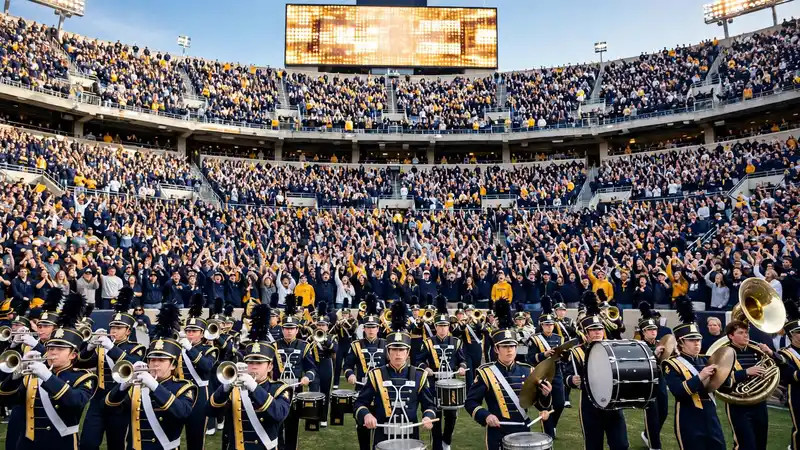
Saturday in the fall has a rhythm all its own in American sports. Tailgates start before sunrise, bands warm up outside packed stadiums, and by midday dozens of games are running at the same time. For fans, keeping up comes down to one habit: checking the scores early, often, and in the right places.
This guide explains the system in plain language: how points are scored, how to read a live scoreboard, what standings and polls mean, how overtime works, and how the playoff picture takes shape. No jargon, no made-up results, just the structure every fan needs.
Scores track points in games between university teams, mostly on Saturdays in the fall. A touchdown is worth six points, a field goal three, an extra point one, and a safety two. Live scoreboards show the score by quarter, time remaining, down and distance, and possession, while standings and polls rank teams over the full season.
How College Football Scores Work
Every game is built around one simple idea: move the ball into the other team’s end zone more often than they do it to you. The team with more points when the clock hits zero wins. Ties are not allowed, so every game ends with a winner, even if it takes overtime.
A touchdown is worth six points. It happens when a player carries the ball into the end zone or catches a pass there. After a touchdown, the scoring team usually kicks an extra point for one more point, making the most common sequence worth seven. Teams can also try a two-point conversion instead, from the three-yard line, for two points rather than one.
A field goal is worth three points, usually attempted on fourth down when an offense stalls within range. A safety is worth two points and happens when the offense is tackled in its own end zone. Safeties are rare, but they can swing a close game.
Games last 60 minutes, split into four 15-minute quarters, with a longer halftime break after the second quarter. The clock stops far more often than in the professional game, especially after incomplete passes and when a ball carrier goes out of bounds. More stoppages mean more plays, more possessions, and more chances for a late comeback.
The Basics of Scoring in College Football
Points come from a small set of plays. Once you know them, every scoreboard starts to make sense. The touchdown leads the way, and everything else fills in around it.
Offenses get four downs to advance ten yards, and they keep the ball as long as they keep moving the chains. A drive can end in a touchdown, a field goal, a punt, a turnover, or a turnover on downs. Each outcome shapes the score in a different way.
After a touchdown, teams face a small choice with real consequences. The extra-point kick is the safe play, worth one point and made most of the time. The two-point conversion is the gamble, worth two points from a short distance. Coaches usually save it for late-game spots where one point is not enough, such as trailing by two in the fourth quarter.
A touchdown is worth 6 points, a field goal 3 points, an extra point 1 point, a two-point conversion 2 points, and a safety 2 points. Most touchdowns become 7 points after a successful extra-point kick.
Turnovers change scores fast. An interception or fumble returned for a touchdown counts just like an offensive touchdown. Defensive scores are less common, but they often decide close games because they flip momentum in a single play. Special teams can score too, on a kickoff or punt return, or a blocked kick run back the other way.
How to Follow Live Scores on Saturdays
Saturdays are chaos in the best way. Dozens of games kick off in waves, from early-afternoon starts on the East Coast to late-night finishes out West, and the picture changes every few minutes. Build a routine that keeps you informed without leaving you glued to a screen all day.
Start with a reliable live scoreboard. A good one shows the score by quarter, the clock, which team has the ball, the down and distance, and the yard line. That detail turns a bare number into a story: a team trailing by seven with the ball on its own 40 and two minutes left is in a very different spot from one trailing by seven with no timeouts and the ball on its own five.
Check the games that matter to your team first, then widen the net. Conference games carry the most weight for standings, ranked matchups shape the polls, and rivalry games can defy every expectation. Then scan the rest of the board for upsets. An unranked team leading a top-ten opponent in the third quarter can reshape a whole weekend.
Live stats explain why a score looks the way it does. Total yards, turnovers, third-down conversions, and time of possession all matter. A team can lead by ten while being outgained, often because it won the turnover battle. A team can trail while moving the ball well, often because it stalled in the red zone and settled for field goals.
If you cannot watch, a play-by-play feed is the next best thing. Short text updates describe each play in order, so you can follow a drive without video. Radio works the same way. For a broader view of the day, the blog is a good place to catch up after the final whistles.
Reading a Scoreboard Like an Expert
A live scoreboard carries far more than two numbers. Learning to read the small details is what separates a casual checker from a fan who knows what is happening without watching a snap.
The quarter and clock tell you how much time a comeback needs. A seven-point deficit in the first quarter is nothing. The same deficit with ninety seconds left and no timeouts is nearly impossible to erase. Down and distance tell you how close an offense is to keeping a drive alive. Third and long usually favors the defense, while third and short favors the offense.
Possession and timeout counts add another layer. A team with all three timeouts can stop the clock and save time for a final drive. A team out of timeouts must manage the clock with sideline passes and spikes. Field position matters too: starting at midfield is worth far more than starting inside your own ten-yard line.
Red zone numbers are worth a look after the game as well as during it. The red zone is the area inside the opponent’s 20-yard line, where scoring chances are highest. Teams that turn red zone trips into touchdowns win more often than teams that settle for field goals. A box score showing four red zone trips and only one touchdown explains a frustrating loss better than the final score alone.
Read a live scoreboard in this order: score, quarter and clock, possession, down and distance, field position, then timeouts. Together those details show whether a trailing team still has a realistic path back into the game.
Standings, Conferences, and Divisions
College football is organized into conferences, and conference standings decide who plays for a title and who gets the best bowl invitations. Understanding that structure is the key to making sense of a season-long table.
The Football Bowl Subdivision, known as FBS, is the top level. It includes the biggest programs, the largest stadiums, and the most television coverage. Below it sits the Football Championship Subdivision, or FCS, where teams play a playoff bracket to decide a national champion. Most national scoreboards and polls focus on FBS.
Conferences are groups of schools that play each other every year. The best-known ones include the SEC, Big Ten, Big 12, and ACC, alongside the Group of Five: the American, Conference USA, the MAC, the Mountain West, and the Sun Belt. Each conference keeps its own standings, usually ordered by conference record first and overall record second.
Conference championship games cap the regular season for most major leagues. Strength of schedule is the quiet factor behind many debates: beating strong opponents counts for more than beating weak ones. The same idea applies across sports, which is why fans who follow the college basketball scores page often notice similar arguments about schedules and seeding there too.
Polls and Rankings Explained
Polls are weekly rankings that shape how the whole sport talks about its teams. They do not decide the champion directly anymore, but they influence perception, television slots, and the playoff conversation all season.
The AP Poll is the oldest and best known. A panel of sportswriters and broadcasters votes each week, ranking the top 25 teams. The Coaches Poll works the same way with head coaches voting instead of media members. Both react to results: winners usually climb, losers usually fall, and a big upset can send shockwaves through the rankings.
The College Football Playoff selection committee releases its own rankings later in the season. This group watches games, studies statistics, and debates resumes in a way polls do not. Its rankings matter most for the playoff, because the committee itself picks the field. When the committee and the AP Poll disagree, the committee’s view wins out.
Rankings affect more than pride, but do not treat one as a prediction: polls measure what teams have done so far, not what they will do next. A No. 3 team can lose to a No. 20 team on any Saturday.
The Playoff Race and Bowl Season
The postseason is where the regular season’s work pays off. For most teams, a bowl game is the reward. For a small group at the top, the College Football Playoff decides the national champion.
The playoff field now includes 12 teams, expanded from the old four-team format. Conference champions earn places, and the strongest at-large teams fill the rest of the bracket. The top teams earn a first-round bye, while others play opening-round games on campus. From there the bracket narrows through quarterfinals and semifinals at major bowl sites, ending with a national championship game.
Bowl games fill out the rest of the postseason. Teams that win at least six games generally become bowl eligible, and dozens of bowls match teams from different conferences in late December and early January. Some carry long traditions and famous names. Others are newer, but they all give players extra practices, give seniors one more game, and give fans a reason to travel in winter. Checking college football scores through bowl season is how fans track which programs finish strong and which ones fade.
The College Football Playoff now uses a 12-team bracket. Conference champions and the strongest at-large teams qualify, top seeds earn byes, opening-round games can be played on campus, and the bracket ends with a national championship game.
For fans planning winter viewing, the postseason overlaps with other sports in full swing. Checking the PGA Tour schedule and the tennis scores pages can help you plan around golf tournaments and tennis events that share weekends with bowl games and playoff matchups.
Overtime Rules in College Football
Overtime is one of the most distinctive parts of the sport, and it produces some of the most memorable finishes every season. The rules differ from the professional game, and they guarantee every game ends with a winner.
Each team gets a possession starting at the opponent’s 25-yard line. The team that wins the coin toss usually chooses to play defense first, so it knows exactly how many points it needs on its own turn. Both teams get a chance with the ball, and play continues in rounds until one team leads after a full round.
From the third overtime period onward, teams must attempt a two-point conversion after a touchdown instead of kicking an extra point. From the fifth overtime onward, teams alternate single two-point conversion attempts, one play each, until one succeeds and the other fails. That format can end a game quickly after a long battle.
Rivalries, Upsets, and Why Scores Surprise People
College football runs on emotion in a way few other sports can match. Rivalry games ignore form, rankings, and logic with impressive regularity. A team having a poor season can still beat its biggest rival, and it does so often enough that no fan ever feels safe in rivalry week.
Rivalries carry history stretching back decades, sometimes more than a century. Players grow up watching these games, fans plan their year around them, and the atmosphere is unlike a normal Saturday. Trophies, bragging rights, and recruiting momentum are all on the line, and that pressure can lift an underdog or weigh down a favorite.
A similar sense of tradition shapes other schedules fans follow, from the Major League Cricket schedule to the UFC schedule and the boxing schedule.
Common Mistakes Fans Make When Reading Scores
Even experienced fans fall into a few traps when they check results. Avoiding them makes you a sharper reader of the sport and saves you from overreacting to a single Saturday.

The first mistake is judging a team by one game. A blowout win over a weak opponent says less than a narrow win over a strong one, and a single bad loss does not erase a season of good work. Look at the full body of results before drawing a conclusion, especially early in the season when sample sizes are small.
The second mistake is ignoring the margin and the flow. A 28-27 final and a 28-14 final can hide very different games. One might have been decided on the last play, while the other was comfortable throughout. Check the quarter-by-quarter breakdown when it is available, because it shows when the game was decided.
The third mistake is overvaluing early polls. Preseason rankings are educated guesses, and they can linger long after results should have replaced them. A team ranked in the top ten in August can be unranked by October, and a team that started outside the polls can climb into contention with a string of wins. Trust what happens on the field more than what was predicted before a ball was kicked.
The fourth mistake is forgetting injuries: a missing starting quarterback changes everything about an offense. Learning the rules helps too. The baseball rules for beginners and basketball rules for beginners guides explain other sports in the same plain style.
How to Use Scores to Follow Your Team All Season
Following one team through a season is a different skill from scanning the whole country every Saturday. It rewards patience, routine, and a sense of what matters at each stage of the year.
Early in the season, focus on health and identity. Is the offense finding its rhythm? Is the defense tackling well? Are the new starters settling in? Results matter, but the way a team wins or loses in September often predicts how it will play in November. A team that wins ugly early can improve a lot with experience, while one that wins big against weak opponents may be hiding real problems.
In the middle of the season, conference play takes over. Standings start to take shape and tiebreakers come into view. Track your team’s conference record week by week, and keep an eye on the teams directly above and below it. A loss to a direct rival hurts twice: it drops your team and lifts a competitor at the same time.
Keep a simple weekly habit. Check your team’s result on Saturday, read a short recap, glance at the standings on Sunday, and check the new polls when they come out. That routine takes a few minutes and keeps you informed without turning fandom into a chore. The same habit works for the NFL scores and NBA scores pages, and for the MLB scores, NHL scores, and MLS scores pages when those seasons are running.
FAQ
How often do college football scores update during a game?
Live scoreboards update after every scoring play and usually refresh drive details play by play. Most refresh within seconds of a touchdown, field goal, or safety, and they also track the clock, down and distance, and possession throughout the game.
What is the highest possible score in a college football game?
There is no maximum score. Games continue until the clock runs out or overtime decides a winner, so totals can climb very high when two fast offenses play each other or when a game goes to multiple overtimes.
Why do college football games have higher scores than NFL games?
College games feature wider talent gaps between teams, faster tempos, more clock stoppages, and different rules for clock management and overtime. Those factors create more plays and more possessions, which often lead to higher totals than professional games.
How do I find my team’s record and standing?
Check the conference standings table for your team’s league. It lists conference record first, then overall record, and it updates after every game. National polls and committee rankings show where a team sits in the country as a whole.
What happens if a game is tied at the end of regulation?
The game goes to overtime. Each team gets a possession from the opponent’s 25-yard line, and play continues in rounds until one team leads after a complete round. From the fifth overtime onward, teams alternate single two-point conversion attempts until one team scores and the other does not.
Do bowl games count in a team’s record?
Yes, bowl games count toward a team’s final record for the season. A team that finishes the regular season with a winning record and then wins its bowl game ends the year with one more win, and the same applies in reverse for a loss.
How can I follow the action without watching TV?
Use a live scoreboard website or app, a play-by-play text feed, or a radio broadcast. All three update in real time and let you follow drives, scores, and key plays without video, which is useful when you are travelling or watching another game.
What is the difference between FBS and FCS?
FBS is the top level of college football, with the largest programs and a playoff bracket chosen by a selection committee. FCS is the level below it, with a larger playoff bracket decided on the field. Both levels play by similar rules, but they have different postseason systems and scholarship limits.


















