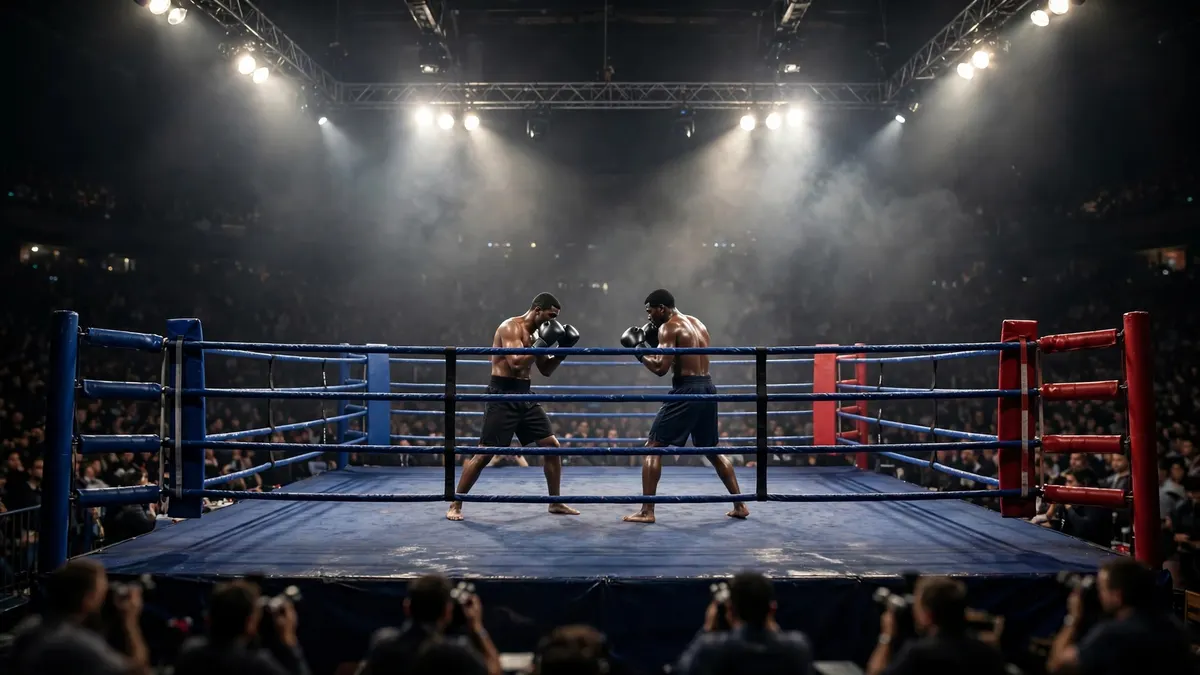



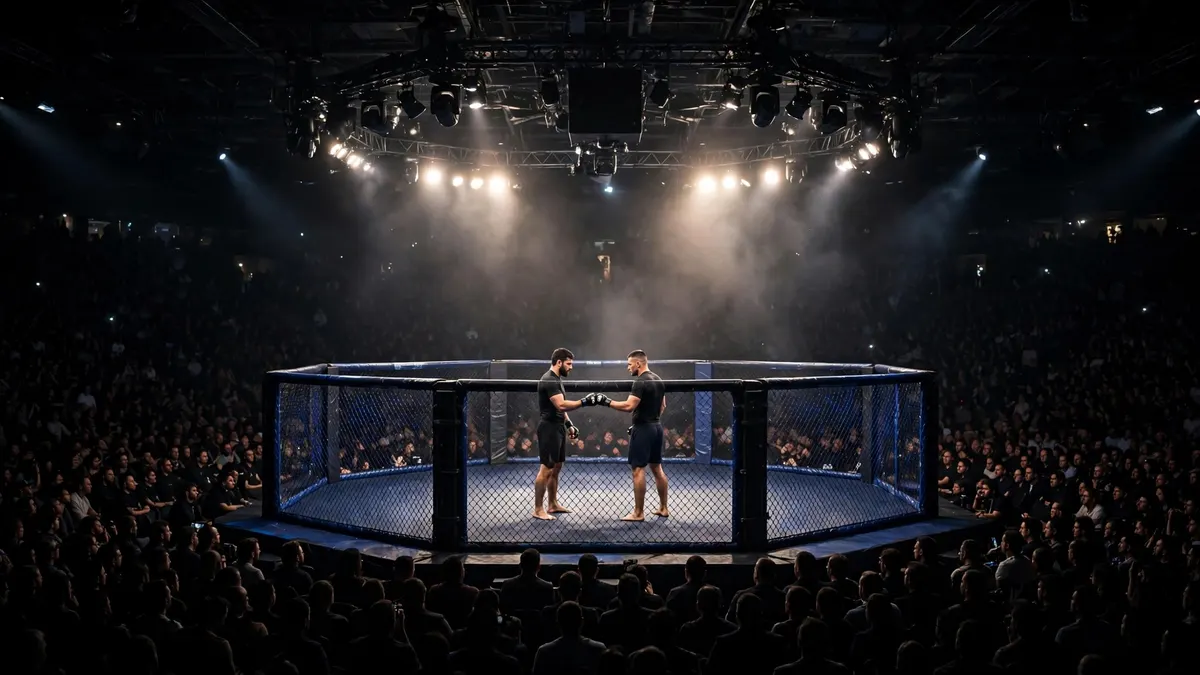
If you have ever tried to keep up with the ufc schedule, you know the feeling. One weekend there is a massive pay-per-view with a title fight at the top, the next there is a smaller card from the Apex in Las Vegas, and somewhere in between a fight gets pulled, a replacement steps in on short notice, and the start time shifts because the event is overseas. It can feel chaotic, but there is a real structure underneath it all, and once you learn it, following the sport gets a whole lot easier.
The UFC holds events almost every weekend, mixing numbered pay-per-view cards with smaller Fight Night shows. Numbered events usually feature title fights, while Fight Nights showcase rising contenders and prospects.
This guide walks through all of it in plain language. By the end, you will know how the calendar is built, why start times move around, how rankings shape matchmaking, and how to read a fight card like someone who has been watching for years. If you follow other sports too, the habit is the same one you already use when you check the latest results on our sports blog before the weekend starts.
How the UFC Calendar Works
The UFC calendar is built around a simple idea: keep the product on television and on pay-per-view almost every single week of the year. There is no real offseason. While team sports shut down for months between seasons, the UFC rolls from January through December, with only a few quiet weekends scattered through the year, usually around major holidays.
A typical month includes three or four events, most of them on Saturdays, which has been the sport’s home base for decades. Saturday cards fit the pay-per-view model and give fighters a full week of media, open workouts, weigh-ins, and faceoffs to build hype. Every now and then the UFC slides a card to a Friday, a Sunday, or even a Wednesday to fit a venue, a broadcast window, or an international market. Those odd dates are the ones that catch casual fans off guard, so it pays to check the day of the week, not just the date.
Numbered Events vs Fight Nights
The single most useful distinction in the sport is the one between numbered events and Fight Nights. Get this right and the whole calendar snaps into focus. Numbered events are the big ones: UFC 300, UFC 311, and so on. They are pay-per-view shows, they usually carry a championship fight at the top, and they are built to be the biggest nights on the calendar. Fight Nights are the regular-season games of MMA, and like a midweek fixture in any sport, they matter even when the names are less familiar.
A numbered card typically stacks two or three high-profile fights at the top, with a title bout headlining. The champion defends the belt, or two top contenders fight for a vacant title. Below that, you will find ranked fighters jockeying for position, veterans trying to stay relevant, and sometimes a debut the promotion wants to showcase in front of a big audience. The whole night feels bigger: the arena is larger, the walkouts are longer, the crowd is louder, and the broadcast treats it like an occasion. If you only watch a few cards a year, these are the ones to circle.
Fight Nights are smaller, and smaller is not a knock. These cards run on television and streaming rather than pay-per-view, and they are where the sport actually lives week to week. A Fight Night main event might feature a top-five contender against a rising challenger, or two veterans in a crossroads bout. The stakes are real — rankings, contracts, and title shots are all on the line — but the production is leaner and the arena is often the Apex, which holds a small crowd and gives the broadcast an intimate, almost gym-like feel.
Boxing handles its calendar the opposite way, building toward a handful of mega-fights a year with long gaps in between, and our guide to the boxing schedule shows the contrast clearly. NASCAR takes the UFC’s approach instead, running a near-weekly grind of races, and the rhythm of the NASCAR schedule will feel familiar to any fight fan who likes a full season.
Numbered UFC events are pay-per-view cards, usually headlined by a title fight. Fight Nights are smaller TV and streaming cards where contenders and prospects fight for rankings and title shots.
How Cards Are Announced and Changed
Nothing in the UFC is final until the fighters are in the cage. That sounds like an exaggeration, and it is not. Cards are announced in stages, and they change constantly. A bout agreement is not a guarantee. Fighters get injured in training, miss weight, fail medicals, or pull out for personal reasons. When that happens, the promotion scrambles for a replacement, moves a fight to another card, or cancels the bout outright.
Changes come in a few common flavors. The most frequent is the late replacement, where a fighter steps in on a few days’ notice. Short-notice replacements are a proud tradition in MMA, and some of the sport’s most famous moments came from a fighter who took a call on a Tuesday and fought on a Saturday. Sometimes the replacement is a ranked contender, and the fight gets better. Sometimes it is an unranked newcomer, and the fight becomes a showcase. Either way, the matchup changes, and smart fans check the card again on fight week rather than trusting what they read a month earlier.
Weight cuts cause another wave of changes. A fighter who cannot make the contracted weight may still fight at a catchweight, with a fine, or the bout may be scrapped entirely. Weigh-ins happen the day before the event, which means the final version of the card often is not locked until roughly 24 hours before the first fight. The best way to handle the churn is to check the card twice: once when it is announced, to get excited, and once on weigh-in day, to see what actually survived. A quick glance at the latest NFL scores before the weekend is the same habit in another sport — the lineup you saw on Monday is not always the lineup you get on Sunday.
Prelims vs Main Card
Every UFC event is split into two parts: the prelims and the main card. The split is about broadcast windows and storytelling as much as it is about fight quality. Prelims come first, usually in the early evening, and the main card follows in the prime-time slot. Both parts count the same in the record books, and both can produce a finish of the night. The difference is exposure, stakes, and where the big names sit.
Prelims are where the roster gets its work in. You will see debuting fighters, prospects on their second or third UFC bout, and veterans trying to rebuild after a loss. The fights are usually three rounds, and they run on the promotion’s streaming platform or a basic cable broadcast rather than pay-per-view. For a hardcore fan, prelims are often the best part of the night, because the fighters are hungry and the matchmaking is loose enough to produce wild stylistic clashes.
The main card is the showpiece. It usually features five fights, with the headliner last. Main card bouts get longer walkouts, more camera time, and the biggest promotional push. Title fights headline numbered events and run five rounds, while most non-title main events on Fight Nights also run five rounds. The rest of the main card is three rounds. The main card is where the rankings move, where contenders are made, and where the highlight reels come from.

Prelims open the night with prospects and veterans fighting for roster spots. The main card follows in prime time, usually with five fights, and the headliner closes the show.
Time Zones and Start Times
Time zones are the single biggest source of confusion for UFC fans, and the promotion’s global ambitions are the reason. A card in Las Vegas starts in the evening on the West Coast, which is late night on the East Coast. A card in London starts in the afternoon for British fans, which is early evening in the United States. A card in Abu Dhabi or Sydney can start in the morning for American viewers, which means the main event might land before lunch.
International cards break the pattern on purpose. When the UFC goes to Europe, the start times shift so the local crowd gets a prime-time show, which means American fans watch in the afternoon. When it goes to the Middle East or Australia, the shift is bigger, and the main card can start in the morning or early afternoon in the United States. The promotion accepts that tradeoff because a loud, packed arena in the host city matters more than a convenient start time for one market, and because the global audience is the point.
The fix is boring but effective: check the start time in your own time zone, every time, for every card. Do not assume Saturday means evening. Look for the prelim start, the main card start, and the expected main event walkout time, and set a reminder for the main card if you are not watching from the first fight. The same discipline applies across sports — checking the NBA scores page after a late West Coast tip is the same idea — but in MMA the variation is wider, because the events move across continents instead of staying in one country’s time zones.
How to Follow the UFC Calendar
Following the UFC is less about one magic source and more about a routine. The promotion publishes its own event listings, broadcasters list their cards, and independent journalists track every change, rumor, and replacement. The fans who stay on top of things use a mix of all three, and they check back during fight week, when the news moves fastest. Pick a routine that fits how much you watch, and stick with it.
The lightest version works for casual fans. Check the upcoming events once a week, note the next numbered card and the next Fight Night, and set a reminder for the main card start time. That is enough to catch the big nights and skip the rest without feeling lost. You do not need to know every prelim bout, and nobody will quiz you on the undercard. The sport is built to be enjoyed at whatever level of attention you can give it.
Social media is a mixed blessing. Fighters announce their own bouts, managers tease matchups, and journalists break news there first. It is also where rumors spread, fake posters circulate, and a bout that was never agreed gets treated as confirmed. Treat anything without a reliable source as a rumor until the promotion or a trusted reporter confirms it. If you follow several sports, fold the UFC into the same weekend routine you already have. Check the MLB scores after a baseball series, glance at the fight card on Friday, and you have the weekend covered. The habit is the same: a quick check before the action, a second look when the results are in, and a note of what comes next.
Weight Classes and Rankings
MMA is a weight-class sport, and the weight classes are the backbone of the matchmaking. Fighters compete against opponents of a similar size, and the champion of each division is the best fighter at that weight. The UFC currently runs divisions from strawweight for women and flyweight for men up to heavyweight, with a handful of classes in between. Each division has its own title, its own rankings, and its own pecking order, and a fighter’s career is shaped by the division they compete in as much as by their record.
The men’s divisions run from flyweight at 125 pounds through bantamweight, featherweight, lightweight, welterweight, middleweight, light heavyweight, and heavyweight at 265 pounds. The women’s divisions run from strawweight at 115 pounds through flyweight, bantamweight, and featherweight. Fighters sometimes move between divisions, usually up in weight when the cut gets too hard, and occasionally down when they think they can be bigger than their opponents. Those moves can revive a career or end it, and they are always worth watching.
Rankings are the other half of the system. The UFC publishes rankings for each division, with the champion at the top and the top fifteen contenders listed below. Rankings are voted on by a media panel, which means they are part measurement and part opinion, and fans argue about them constantly. A fighter ranked third who beats the fighter ranked first usually earns a title shot. A fighter ranked twelfth who knocks out someone ranked fifth jumps up the list. Rankings are not perfect, and they are sometimes slow to reflect reality, but they are the best guide to who is close to a title and who is treading water.
The UFC has eight men’s divisions from flyweight to heavyweight and four women’s divisions from strawweight to featherweight. Rankings list the top fifteen contenders in each division, and title shots usually go to the contender on the best winning streak against ranked opponents.
Weight cutting deserves a mention, because it shapes the sport in ways that are easy to miss. Fighters walk around well above their fighting weight and cut water weight in the final week to make the limit, then rehydrate before the fight. It is a grueling process, and it is why a fighter can look drained at the weigh-in and full of energy the next night. It is also why weight misses happen, and why a bout can fall apart the day before the event. The system is controversial, and it comes up in every serious conversation about fighter safety, but it is part of the sport as it exists today. If you want a plain-language primer on another sport’s rulebook, our guides to basketball rules for beginners and baseball rules for beginners use the same approach: the essentials first, the fine print later.
How to Read a Fight Card
A fight card looks simple at first glance: a list of names, a main event at the top, and a start time. Look closer and it tells a story. The order of the bouts, the records next to each name, the rankings in parentheses, and the labels on each fight all carry information about what the promotion expects and what is at stake. Learning to read a card is one of the fastest ways to get more out of watching.
Start with the main event. It is listed first on the poster and last in the running order, and it is almost always a five-round fight. The main event is the reason the card exists, and it usually features ranked fighters, a title, or a matchup with a clear narrative. Below it, the co-main event is the second-biggest fight, and it often features a contender bout or a fan-favorite veteran. The rest of the main card fills out the night with a mix of ranked fighters and prospects.

Next, look at the records. A fighter listed at 15-3 has fifteen wins and three losses, and the record tells you something about experience and consistency. An undefeated fighter at 8-0 is a prospect to watch, while a veteran at 22-9 has been around the block. Records need context, though. A fighter with a glossy record built on unranked opponents is a different proposition from one with a few losses against former champions.
Common Mistakes Fans Make
Every fan makes the same mistakes when they start following the UFC, and most of them are easy to fix. The first is assuming a card is final. It is not, and it will not be until the fighters weigh in. Check the lineup on fight week, and check it again on weigh-in day. The card you memorized a month ago is a rough draft, and treating it as gospel is how you end up surprised when the main event changes.
The second is confusing the rankings with a power ranking. UFC rankings are a guide to title contention, not a perfect measure of who would beat whom. Styles make fights, and a lower-ranked fighter with the right style can beat a higher-ranked opponent. Rankings tell you who is in line for a title shot. They do not tell you who wins on Saturday night, and they are not supposed to.
The third is ignoring the time zone. It is the most avoidable mistake in the sport, and it happens to everyone at least once. An overseas card starts earlier than you think, a West Coast card starts later than you think, and daylight saving changes make it worse. Check the start time in your own time zone on fight day. It takes seconds, and it saves you from missing the fight you stayed up for. A quick check of the NHL scores before a hockey night is the same kind of habit: the early games, like the undercard, are where the surprises live.
Frequently Asked Questions
How often does the UFC hold events?
The UFC holds events almost every weekend of the year, usually on Saturdays, with numbered pay-per-view cards every few weeks and Fight Nights in between. There is no offseason, though a few weekends around major holidays are quiet.
What is the difference between a numbered UFC event and a Fight Night?
Numbered events are pay-per-view cards, usually headlined by a title fight, with the biggest names and the largest arenas. Fight Nights are smaller cards on television and streaming, headlined by contender bouts, where prospects and ranked fighters compete for position.
What time do UFC events start?
Start times depend on the location. A card in the United States usually has prelims in the early evening and a main card in prime time, while an international card can start in the afternoon or morning for American viewers.
How are UFC fights announced?
The promotion confirms the main event first, then adds bouts gradually over several weeks. The full card is usually published a few weeks before the event, and changes are common until weigh-in day.
What happens if a fighter pulls out of a fight?
The UFC looks for a replacement, often on short notice, moves a fight to another card, or cancels the bout.
How do UFC rankings work?
Rankings list the champion and the top fifteen contenders in each division, voted on by a media panel. Fighters move up by beating ranked opponents, and the contender on the best winning streak against ranked opposition usually earns the next title shot. For a full rundown of the weekend’s other action, fans often check the MLS scores page alongside the fight card.