





WNBA All Star Game: Format, Voting and Weekend Guide
The WNBA All Star Game is the league’s midseason showcase. It brings together the best players from across the league for one night, in front of a large crowd and a national audience. The game is part celebration, part competition, and part fan festival. It gives supporters a chance to see stars who normally play against each other share the same court, in the same jersey, playing for the same side.
For a new fan, the showcase can look confusing at first. The teams are not the usual league teams. The selection process involves fans, players, media members, and coaches. The weekend around the game includes extra events, community work, and plenty of off-court activity. This guide explains how it all works, in plain terms, so you can follow the event with confidence and enjoy it for what it is.
What Is the WNBA All Star Game?
The WNBA All Star Game is an exhibition game held in the middle of the regular season. It pauses the normal schedule for a few days and puts the spotlight on the players who have stood out most in the first half of the season. The idea is simple: take the best talent in the league, put it on one court, and let fans enjoy a night of high-level basketball without the pressure of the standings.
Unlike a regular league game, the result does not count toward any team’s record. That changes the feel of the night. Players still compete, and nobody wants to lose, but the tone is lighter. There is more showmanship, more passing for the highlight play, and more freedom to try things that would be risky in a close regular-season game. Coaches give minutes to everyone on the roster, so fans get to see the full group play, not just the starters.
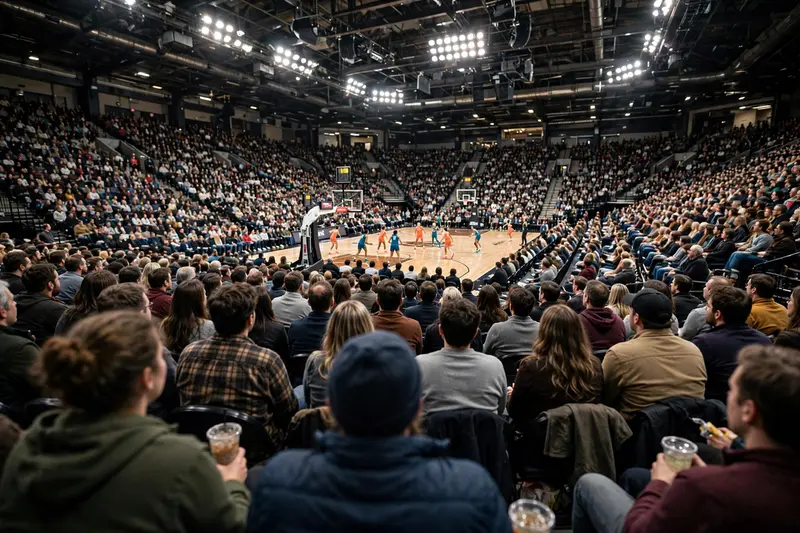
The game also works as a meeting point for the whole league community. Fans travel to the host city, media cover the event from every angle, and sponsors and partners run activities around the arena. For players, it is a recognition of strong form and a chance to spend time with rivals they respect. For the league, it is one of the biggest shop windows of the season, a night when casual viewers who do not follow every game can tune in and see the stars at their best.
A Showcase, Not a Regular Game
That does not mean the game is soft. The players on the floor are elite professionals, and once the ball goes up, competitive instinct takes over. The defence tends to loosen up early, especially in the first half, and tighten as the game goes on. The closing minutes often look much more like a real game, with tighter defence, smarter shot selection, and a genuine push to win. That arc, from relaxed and fun to serious and competitive, is part of the charm.
- The result does not affect the regular-season standings.
- Every player on the roster is expected to get playing time.
- The style is looser early and more competitive late.
- The night is built around fan enjoyment as much as the score.
- The game celebrates the best performers of the first half of the season.
How Players Are Selected
Selection is the part of the event that fans talk about most, and it is also the part that causes the most debate. The process is designed to balance three views: what fans want to see, what players think of each other, and what the media and coaches see from close up. No single group decides the whole roster on its own.
The exact mix can change from time to time, as the league reviews the process and tries to improve it. The general idea has stayed steady, though. Fans vote, players vote, media members vote, and coaches help fill out the rosters. That blend is meant to stop the selection from being a pure popularity contest, while still giving fans a real say in who makes it.
Fan Voting
Fan voting is the most visible part of selection. The league opens a voting window during the first part of the season, and fans can vote for the players they want to see in the showcase. Voting usually takes place online and through the league’s digital channels, and fans can vote more than once over the course of the voting period, within the limits the league sets.
Fan votes carry real weight. They help decide the starters, and they send a clear signal about which players have captured the public imagination. A player with a large and active fan base can finish high in the fan vote even if her team is not near the top of the standings. That is part of the point. The showcase is for the fans, so their voice matters.
There are limits, though. Fan voting alone does not decide every spot. If it did, the rosters would reflect popularity more than form, and players having a quiet but excellent season could be left out. That is why the fan vote is combined with the other voting groups, so that strong play on the court still counts for a great deal.
- Fans vote online during a set voting window in the first half of the season.
- The fan vote helps decide the starting lineups.
- Popular players can rank highly even if their team is struggling.
- Fan voting is one part of the process, not the whole process.
- The league sets limits on how often each fan can vote.
Player and Media Voting
Players vote too, and their view carries a different kind of weight. They play against the candidates every week, so they know who is hardest to guard, who makes the smartest reads, and who lifts a team in ways that do not always show up in a box score. Players cannot vote for their own teammates in some formats, which pushes them to judge the wider league rather than their own locker room.
Media members who cover the league closely also vote. They watch more games across more teams than most fans can, and they talk to coaches and players regularly. Their ballot tends to reward consistent performance, efficiency, and impact on winning, rather than a single highlight or a hot week. Together, the player and media votes act as a check on the fan vote. A player who is widely respected by peers and reporters has a strong path to selection, even if she is not the biggest name in the fan vote.
The three voting groups are usually combined with set weights, so that no one group can dominate the result. The details of the weighting can vary, and the league explains the current system when voting opens. The principle stays the same: fans, players, and media each get a say, and the final starters reflect a blend of all three.
Coach Selection and the Reserves
Once the starters are set, the head coaches of the league’s teams help choose the reserves. Coaches vote for the players who will fill out the rosters, and they are asked to pick from across the league, not just their own team. This is where depth and balance come in. A roster needs guards, forwards, and centres, scorers and defenders, playmakers and shooters.
Coaches notice things that voting totals can miss. They notice the defender who changes a game without scoring much, the veteran who steadies a young team, and the young player who has taken a big step forward. Their selections often include names that spark debate among fans, and that debate is part of the fun. The reserve list is where a strong first half of the season gets rewarded even when a player is not a household name yet.
Injury replacements are handled by the league, usually in consultation with coaches. If a selected player cannot take part, a replacement is named so that the rosters stay full and balanced. The replacement is normally a player who was close to selection in the first place. The league announces the change, and the new player gets the same recognition as the player she replaces.
How the Teams Are Formed
Once the full pool of All-Stars is chosen, the players are split into two teams. The way this happens has changed over time, and the league has tried different formats to keep the event fresh. The broad idea is always the same: two balanced sides, each with a mix of guards and frontcourt players, each led by a captain or a head coach, playing one game.
In some formats, the top vote-getters act as captains and pick their teams in a draft. That draft is often shown to fans, and it adds a layer of drama and personality to the build-up. Captains think about fit, about playing with friends or former teammates, and about matchups they want to create. In other formats, the league or the coaches divide the players into two sides by conference or by another simple split. Either way, the goal is balance. Nobody wants a game that is decided before it starts.
The Captain Draft
A captain draft is the most fan-friendly version of team formation. The two players who receive the most votes become captains. They then take turns picking from the pool of selected All-Stars until the rosters are full. The draft order, the picks, and the reactions all become part of the story of the week.
The draft changes the feel of the game. Players who normally play together can end up on opposite teams, and rivals can end up as teammates for a night. That creates fresh combinations that fans would never see in a regular-season game. A point guard who usually feeds one star can find herself feeding another, and a frontcourt pairing that never happens in league play can appear for one night only.
The All-Star Weekend: What Happens Beyond the Game
The game is the centrepiece, but it is not the only event. The weekend around it is a festival of basketball, with events for fans, activities for young players, and community work in the host city. The exact schedule changes from year to year, and the league adds or changes events to keep the weekend fresh, but the shape is familiar to anyone who has followed it before.
Skills Events and Shooting Contests
Skills events are a popular part of the weekend. They let individual players show off specific talents in a short, fun format. A skills challenge might test dribbling, passing, and shooting against the clock, with players racing through an obstacle course on the court. A three-point contest tests pure shooting, with players moving around the arc and trying to make as many shots as they can in a set time.
These events work well because they are easy to follow. You do not need to know the teams or the standings to enjoy a shooting contest. You just watch the ball go through the hoop, or miss, and the crowd reacts to every make. They also give a platform to players who might not be starters in the main game but who have a special skill worth celebrating. A great shooter, a quick ball-handler, or a creative passer can become the star of the weekend through one of these events.
- A skills challenge tests dribbling, passing, and shooting against the clock.
- A three-point contest rewards accuracy and speed from long range.
- The events are short, easy to follow, and crowd-friendly.
- They give a stage to players with a standout single skill.
- Winners get recognition of their own, separate from the main game.
How the Game Format Works
The game itself follows the standard rules of the league, with a few tweaks in tone rather than in the rulebook. The court is the same size, the ball is the same, the shot clock runs in the same way, and fouls are called in the same way. The difference is in how the game is played, not in how it is governed. That matters for new fans, because you do not need to learn a new set of rules to follow the showcase. If you know the basics of basketball, you know enough to enjoy the night.

Quarters, Clock and Scoring
Scoring works exactly as in a normal game. A basket inside the arc is worth two points, a shot from behind the three-point line is worth three, and a free throw is worth one. The shot clock forces the team with the ball to shoot within a set time, which keeps the pace moving. The game clock stops for fouls, timeouts, and other breaks in play, just as it does in the regular season.
New fans who want a refresher on the basic rules before tuning in will find our guide to the fundamentals of basketball useful, because it covers scoring, fouls, and the flow of a game in plain language.
Defence, Effort and the Closing Minutes
Defence in an All-Star game is a talking point every year. Early on, defenders often give shooters more space than they would in a regular-season game, and they may not fight through every screen. That is not laziness. It is a choice to let the game flow, to avoid injuries, and to give the crowd the open, attacking basketball they came to see. Nobody wants a showcase ruined by a hard foul in the first quarter.
The effort level rises as the game goes on. By the fourth quarter, the defence is usually much tighter, the rotations are sharper, and the players are competing hard for every loose ball. The closing minutes can be genuinely tense, with the lead changing hands, coaches calling timeouts, and star players taking the big shots. If you only watch the first half, you will see the fun side of the game. If you stay for the finish, you will see the competitive side too, and that balance is what makes the event work.
What Makes It Different From a Regular Game
The clearest difference is the roster. In a regular game, each team has its own roster, built over months, with set roles and set rotations. In the showcase, the roster is a mix of players from many teams, put together in a few days. There is no time to build the kind of understanding that a regular team has, so the play is more instinctive and less structured.
Why the All-Star Game Matters
The showcase matters for reasons that go beyond a single night of entertainment. For players, selection is a professional honour. It is a line on a career record, a sign of respect from fans and peers, and a boost to a player’s standing in the league. Veterans value it as recognition of a long career at the top. Young players value it as proof that they belong among the best.
A Boost for Players and Teams
Selection can change how a player is seen. A player who has been strong but under the radar can become a known name overnight after a good showcase performance. A big game, a highlight play, or a strong shooting display can be replayed for days, and that exposure reaches fans who may not have watched her team play before. That is valuable for the player, for her team, and for the league.
How to Watch and Follow the Showcase
The showcase is broadcast on national television and streamed through the league’s broadcast partners, so most fans can watch from home. Check the listings in the week of the event for the channel and start time, and check whether the skills events are shown separately. Highlights and replays are widely shared after the game, so you can catch the best moments even if you miss the live broadcast.
Following the build-up is half the fun. Voting updates, roster announcements, and the captain draft all unfold in the weeks before the game, and they give you a reason to follow the first half of the season closely. Keep an eye on our WNBA scores page through the season.
You can compare the showcase with the men’s version through our NBA scores hub.
Tips for Getting the Most From the Night
Watch the whole game, not just the first half, because the competitive finish is often the best part. Pay attention to the new combinations on the floor, and notice which players look comfortable together. If you play fantasy basketball, the showcase is also a good scouting chance, and our fantasy team rating guide can help you judge player form after the break.
- Watch the skills events as well as the main game.
- Note which young players earn a first selection.
- Look for the passing and movement, not just the scoring.
- Enjoy the atmosphere, and stay for the closing minutes.
All-Star Game vs a Regular-Season Game
| Feature | All-Star Game | Regular-Season Game |
|---|---|---|
| Result | Does not count in the standings | Counts in the standings |
| Rosters | Stars mixed from many teams | Each team’s own roster |
| Style | Loose early, competitive late | Structured from the start |
| Playing time | Shared across the whole roster | Based on roles and matchups |
| Atmosphere | Festival feel, fans cheer both sides | Home crowd backs one team |
Frequently Asked Questions
How are players chosen for the showcase?
Players are chosen through a mix of fan voting, player voting, media voting, and coach selection. Fans help pick the starters, while coaches help fill out the reserves, so the rosters reflect popularity, peer respect, and on-court form together.
Does the result count toward the standings?
No. The game is an exhibition, so the result has no effect on the regular-season standings. That is why the style is looser early on, even though the players still compete hard to win, especially in the closing minutes.
What else happens during the weekend?
The weekend usually includes skills events, shooting contests, open practices, fan zones, and community work in the host city. The exact schedule varies, so check the league’s announcements for the current programme before making travel plans.
Is the court the same size as in a normal game?
Yes. The game is played on a standard court under the league’s normal rules, with the same scoring, shot clock, and foul rules. If you want the exact measurements, see our guide to basketball court dimensions.
What is the three-point contest?
It is a shooting event in which players move around the arc and try to make as many long-range shots as they can in a set time. It rewards accuracy and speed, and it often features the league’s best shooters. A good shooter needs a reliable rim too, which is why the basketball basket and net matter more than fans sometimes think.
Who should a new fan watch?
Start with the top vote-getters, who are usually the league’s most exciting players, then watch for a first-time selection, who often plays with extra energy. Reading a player profile helps too, such as our look at Betnijah Laney-Hamilton.
Following the college game through our college basketball scores page shows where future stars come from.
Young fans can learn the draft side of the sport through our NBA mock draft guide.
Young players can practise at home with a junior basketball sized for younger players.
The showcase is a celebration of the league at its best: great players, a full arena, and a night built for fans. Watch the voting, enjoy the weekend events, and stay for the finish, because that is when the fun turns into a real contest.



















