





A cricket bat is the central tool of the game for a batter. It is the piece of equipment that turns a bowler’s delivery into runs, and its shape, weight, and feel shape how a player bats. Choosing the right bat is not about finding the most expensive one. It is about finding one that suits your height, strength, style, and the format you play.
This guide covers the parts of a bat, the types of willow, the sizes available, how weight and balance work, how to grip and care for a bat, and how to choose one with confidence. No prices or product specifications are given here, because the aim is to explain the ideas that help any player make a good choice.
Cricket is played in many forms, from short games in a park to long matches over several days. A bat that suits a quick, attacking game may feel different from one suited to long, patient batting. Knowing the differences helps you pick a bat for the cricket you actually play.
Quick answer: A cricket bat is a flat-bladed wooden bat used to hit the ball. Most bats are made from willow, with English willow used for higher-grade bats and Kashmir willow for sturdier, lower-cost bats. Size, weight, and balance matter more than brand.
The Parts of a Cricket Bat
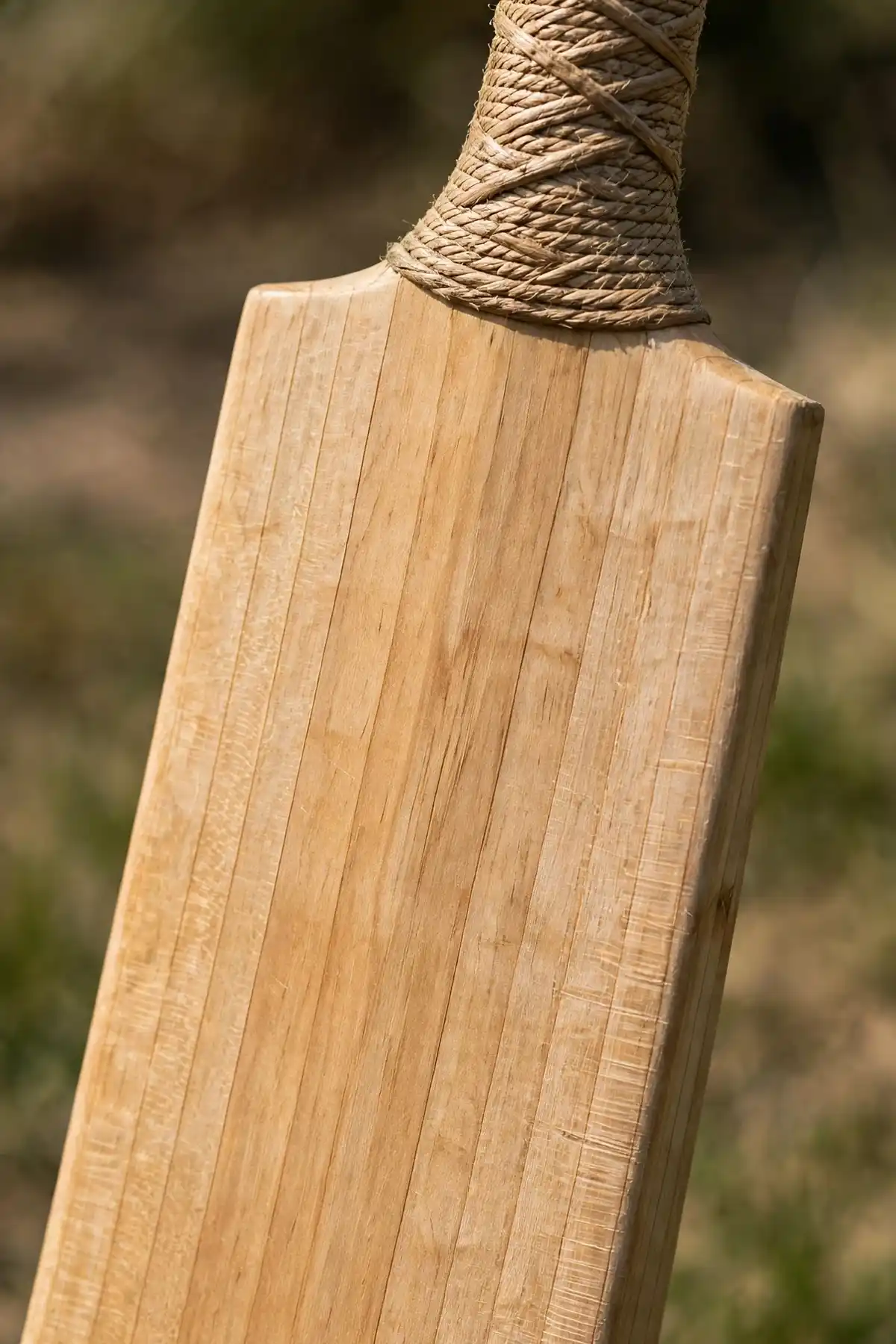
A cricket bat has two main parts: the blade and the handle. The blade is the wide, flat part that strikes the ball. The handle is the narrow part the batter holds. Each part has its own features, and they work together to give the bat its feel.
The Blade
The blade is made from a single piece of willow. Its face is flat, and its back is curved, a shape as distinctive in its sport as the court in the NBA scores is in basketball. The thickest part of the blade, often called the middle or sweet spot, is where the ball should meet the bat for the best result. The edges of the blade are the sides, and thicker edges can give more power on off-centre hits.
The face of the blade is usually protected by a thin sheet, and the toe at the bottom is often guarded against moisture and damage. The blade’s shape, including where its weight sits, affects how it feels when you swing it. A bat with a low middle suits shots played on the front foot, while a bat with a higher middle suits shots played off the back foot.
The Handle
The handle is made from cane, usually with rubber inserts that absorb shock. It is covered with a rubber grip that helps the batter hold the bat firmly. The handle flexes slightly on impact, which reduces the sting felt in the hands when the ball is hit.
English Willow and Kashmir Willow
Willow is the wood used for cricket bats, and two types dominate the market. English willow and Kashmir willow come from different trees and have different qualities. Knowing the difference helps you understand why bats vary so much.
English Willow
English willow is grown mainly in England and is prized for its light weight and responsive feel, qualities players also seek when checking the tennis scores for racket-sport form. It is softer than Kashmir willow, which means it can give better performance on well-hit balls. It is also more delicate, so it needs more care, including knocking in and oiling.
English willow is graded by the look of its grain. Bats with straighter, more even grain are usually graded higher, while bats with wider or less even grain are graded lower. Grade is a guide to appearance and expected performance, not a guarantee of runs. A lower-grade English willow bat can still be a very good bat for many players.
Kashmir Willow
Kashmir willow is grown in the Kashmir region and is harder and heavier than English willow. It is more durable and needs less preparation before use. It is often used for bats aimed at beginners, school players, and casual games, where durability matters more than the finest feel.
A Kashmir willow bat is usually heavier for its size, and it may not give the same rebound as an English willow bat. For a player learning the game or playing occasionally, that trade-off is often worth it. The bat will last longer and cost less to replace if it is damaged.
Types of Cricket Bat
Bats are often grouped by the type of cricket they suit, or by their shape and weight. The groups below are a useful starting point, not a strict set of rules. Many bats sit between groups, and the best choice depends on the player.
- Full-size bats for adult players, in a range of weights and profiles.
- Lightweight bats for players who prefer fast hands and quick bat speed.
- Heavy bats for strong players who want power through the ball.
- Bats with a low middle for front-foot play on slower pitches.
- Bats with a high middle for back-foot play on faster pitches.
- Short-handle bats, the standard for most adult players.
- Long-handle bats for taller players who want extra reach.
- Junior bats in smaller sizes for young players, covered in detail below.
The format of the game also matters. Short-format cricket rewards quick scoring and fast hands, so a lighter bat can help, much as pace matters in the NFL scores during a fast-moving game. Longer formats reward patience and defence, so balance and comfort over a long innings matter more. Think about the cricket you play most when you choose.
Cricket Bat Sizes
Size matters more than most beginners expect. A bat that is too big is hard to control, while a bat that is too small gives up reach and power. The right size depends mainly on height, and junior sizes follow a simple scale.
| Size | Typical player height | Notes |
|---|---|---|
| Size 0 | Young children | Smallest junior size, for the youngest players |
| Size 1 | Shorter juniors | A step up, still light and easy to handle |
| Size 2 | Growing juniors | Suits players moving up from the smallest sizes |
| Size 3 | Taller juniors | A common size for school-age players |
| Size 4 | Older juniors | Nearing adult length, with a lighter weight |
| Size 5 | Taller juniors | Often the last junior size before adult bats |
| Size 6 | Older juniors and small adults | A bridge between junior and adult sizes |
| Harrow | Smaller adults and older juniors | Slightly shorter than a full-size bat |
| Short handle | Most adults | The standard adult size |
The table above is a guide, not a strict rule. Height is the main factor, but strength and comfort matter too. A player between sizes should try both and pick the one that feels easier to control. A bat that feels heavy in the shop will feel heavier after an hour at the crease.
Choosing a Junior Bat
For young players, the right size is even more important. A bat that is too heavy can spoil technique, because the child will use the arms rather than the body to swing it. A bat that is too long can make it hard to play the ball close to the body. Coaches often advise going a size smaller rather than larger if a player is between sizes.
Junior bats are lighter, with thinner handles to suit smaller hands. They are made to be easy to pick up and control. As a young player grows, the bat size should grow with them, checked at the start of each season.
Weight and Balance
Weight is one of the most talked-about features of a bat, and it is easy to misunderstand. A heavier bat does not automatically hit the ball further. A lighter bat does not automatically mean less power. What matters is how the weight feels in your hands and how it suits your swing.
Pick-Up Weight
Pick-up weight is how heavy a bat feels when you lift and swing it, rather than what it weighs on a scale. Two bats of the same weight can feel very different, because the weight may sit in different places. A bat with weight near the handle feels lighter to pick up, while a bat with weight low in the blade feels heavier.
Pick-up weight is the test that matters in the shop. Hold the bat as you would at the crease, lift it, and play a few shadow shots, the same hands-on check a batter would make before a game listed on the MLB scores page. If it feels heavy after a few swings, it is too heavy for you, whatever the scale says.
Balance and the Middle
Balance describes where the bat’s weight sits. A bat with a low middle has weight lower down the blade, which can help with front-foot shots. A bat with a high middle has weight higher up, which can help with back-foot shots and horizontal bat shots. A bat with a middle in the centre is a good all-round choice.
There is no best middle for every player. It depends on how you play, where you score most of your runs, and the pitches you usually face. An all-round middle is a safe starting point for most players, and you can refine your choice as your game develops.
The Grip
The grip is the rubber sleeve on the handle, and it does more than stop the bat slipping. It affects comfort, control, and the feel of the bat in your hands. Grips wear out, and replacing one is one of the simplest ways to improve an old bat.
Grip Styles
Grips come in different thicknesses and textures. A thin grip gives more feel of the handle, while a thick grip can suit larger hands, a detail as personal as the choices behind the NHL scores each night. Some grips have a pattern that adds traction, while others are smooth. Most players use a standard grip, but trying a different thickness can change how the bat feels.
Adding a Second Grip
Some players add a second grip over the first to make the handle thicker. That can help if the handle feels too thin, or if you want a softer feel. It also adds a little weight to the handle, which can change the balance. Try it in practice before using it in a match.
Replacing a Worn Grip
A worn grip feels smooth and slippery, and it can come loose at the edges. Replacing it takes only a few minutes with a grip cone or by hand. A fresh grip restores the feel of the bat and is far cheaper than a new bat. Check the grip at the start of each season and replace it when it looks worn.
Knocking In a New Bat
Knocking in is the process of preparing a new English willow bat before use. It compresses the soft fibres of the willow and hardens the surface, so the bat is less likely to crack or dent when it meets a hard ball. Kashmir willow bats usually need less knocking in, but English willow bats benefit from it.
Why It Matters
A new English willow bat is soft. If it is used straight away against a hard new ball, the surface can dent or split, which is why preparation matters as much as it does for teams on the college football scores page. Knocking in gradually hardens the face and edges, so the bat can cope with match play. It is a slow job, but it protects the bat.
How It Is Done
Knocking in is usually done with a wooden mallet or an old ball in a sock. The face and edges are tapped gently and repeatedly, starting softly and building up. The process takes several hours spread over days, not one long session. A bat that has been knocked in well will show small, even marks on the face, and the surface will feel firmer.
Many shops offer a knocking-in service, and some bats are sold ready to use. If you buy a bat that needs knocking in, ask the seller whether the service is included, or set aside time to do it yourself before the first match.
Oiling and General Care
A cricket bat needs care to last. Willow is a natural material, and it responds to moisture, heat, and knocks. A few simple habits will keep a bat in good shape for many seasons.
- Keep the bat dry. Wipe it after play in wet conditions and store it indoors.
- Oil an English willow bat lightly when it looks dry, following the maker’s guidance.
- Do not leave a bat in a hot car or in direct sun for long periods.
- Use a bat cover or sleeve to protect the face and edges in transit.
- Check the toe guard and replace it if it comes loose or wears away.
- Store the bat flat or upright, not leaning on its toe for long periods.
Oiling is often misunderstood. A little oil, applied thinly, can keep the wood from drying out. Too much can add weight and soften the wood.
Repairing Common Damage
Bats take knocks, and small damage is normal. Surface cracks, a loose grip, or a worn toe guard can often be fixed. More serious damage, such as a split through the blade or a broken handle, may need a specialist repair or a replacement.
Surface Cracks
Small cracks on the face are common, especially on English willow bats. They often look worse than they are, a lesson familiar to followers of the college basketball scores when a scare turns out to be minor. A specialist can glue and clamp a crack, and the bat can often be used again. Do not try to fix a deep crack with household glue and hope for the best.
Handle Problems
A loose handle or a handle that rattles needs attention. The handle is glued and bound to the blade, and a loose joint can fail during a shot. A specialist can rebind a handle, and that repair is often worth doing on a good bat.
When to Replace a Bat
Replace a bat when the blade is split through, the handle is broken, or repairs cost more than the bat is worth. A bat that has lost its feel or has become too heavy with oil and repairs may also be due for replacement. Keep the old bat for practice if it is still safe to use.
Choosing the Right Bat: A Step-by-Step Guide
Choosing a bat is easier with a clear process. The steps below work for beginners and for experienced players looking for a new bat.
- Start with size. Pick the size that matches your height and feels easy to control.
- Check the weight by picking the bat up and playing shadow shots.
- Look at the grain on the face. Straight, even grain is a good sign.
- Check the handle and grip. They should feel comfortable and secure.
- Think about the cricket you play. Short formats, long formats, and pitch type all matter.
- Set a budget and stick to it. A well-chosen bat at any level beats a poor fit.
- If you can, get advice from a coach or a specialist shop before you buy.
That process keeps the focus on fit and feel, not on brand or appearance. A bat that feels right in your hands is more likely to help you score runs, a point regular readers of the WNBA scores will recognise from equipment debates in their sport.
Cricket Bats and the Game Around Them
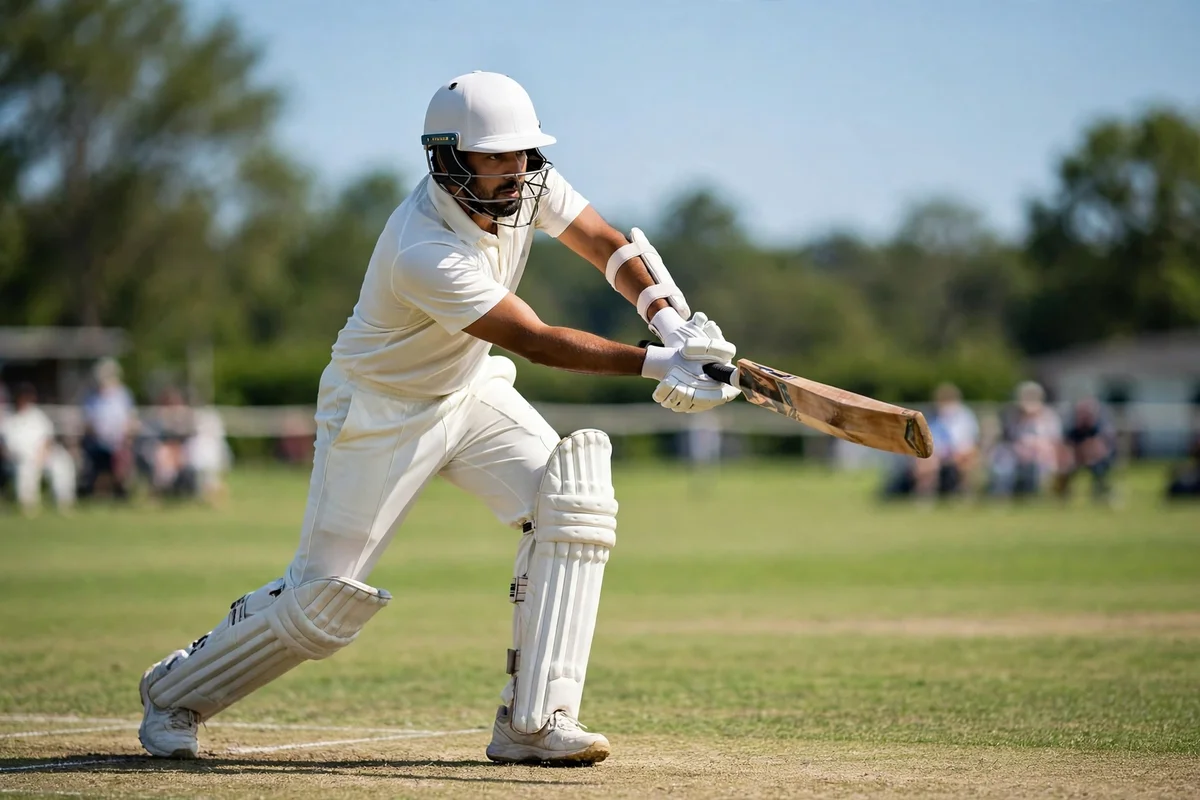
A bat is only one part of cricket. The game also involves bowling, fielding, and the format of the match. A batter’s job changes with the format, and the bat should suit that job.
Short-format cricket, with limited overs, rewards quick scoring. Batters look for boundaries and take more risks. A lighter bat with fast hands can help. Longer cricket rewards patience, defence, and building an innings. A balanced bat that feels comfortable over a long stay at the crease matters more.
The schedule of the game also matters. Fans following the major league cricket schedule will see how a short-format league packs games together. That pace affects how players prepare, and it is a reminder that equipment choices are part of a wider routine.
Other sports show the same link between equipment and performance. A look at the PGA Tour schedule shows how golfers choose clubs for different courses and conditions. Cricketers make the same kind of choice with bats, weighing feel, weight, and the conditions they will face.
Myths About Cricket Bats
A few myths about bats come up often, and they can lead players to spend money on the wrong things. The points below clear up the most common ones.
- Myth: the most expensive bat is always the best. Reality: fit, weight, and balance matter more than price.
- Myth: more grains always mean a better bat. Reality: grain is a guide, not a guarantee, and a lower-grade bat can suit many players.
- Myth: a heavier bat always hits further. Reality: a bat that is too heavy slows the swing and can reduce timing.
- Myth: knocking in is not needed for modern bats. Reality: many English willow bats still benefit from proper preparation.
- Myth: one bat suits every format. Reality: different formats reward different weights and balances.
These myths persist because bats look simple. A little knowledge helps you choose well.
Frequently Asked Questions
What is a cricket bat made from?
Most cricket bats are made from willow. English willow is used for higher-grade bats, while Kashmir willow is used for sturdier, lower-cost bats. The handle is usually cane with rubber inserts.
What size cricket bat do I need?
Size depends mainly on height. Junior sizes run from size 0 to size 6, then Harrow, then short handle for most adults. Try the size that matches your height, and pick the one that feels easiest to control.
What is the difference between English and Kashmir willow?
English willow is lighter and more responsive, but more delicate and in need of knocking in and care. Kashmir willow is harder, heavier, and more durable, and it usually needs less preparation.
Do I need to knock in a new bat?
Many English willow bats benefit from knocking in before match use. It hardens the surface and reduces the risk of damage. Kashmir willow bats usually need less of this preparation. Check with the seller for your bat.
How heavy should my cricket bat be?
It should feel comfortable to pick up and swing, without feeling heavy after a few shadow shots. Pick-up weight matters more than the weight on a scale. Try several bats and choose the one that feels easiest to control.
How do I look after a cricket bat?
Keep it dry, store it indoors, oil it lightly only if needed, protect it with a cover, and replace a worn grip or toe guard. Avoid leaving it in heat or damp for long periods.
When should I replace my cricket bat?
Replace it when the blade is split through, the handle is broken, or repairs are no longer worth it. A bat that has lost its feel or become heavy with oil and repairs may also be due for replacement.



















