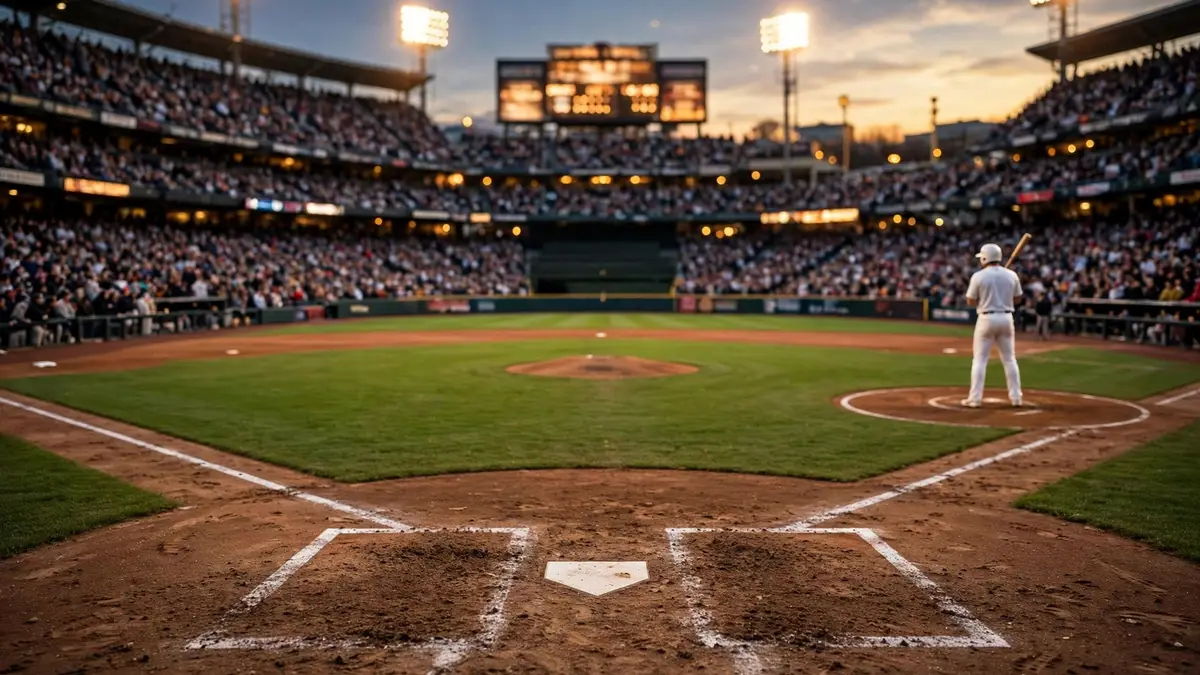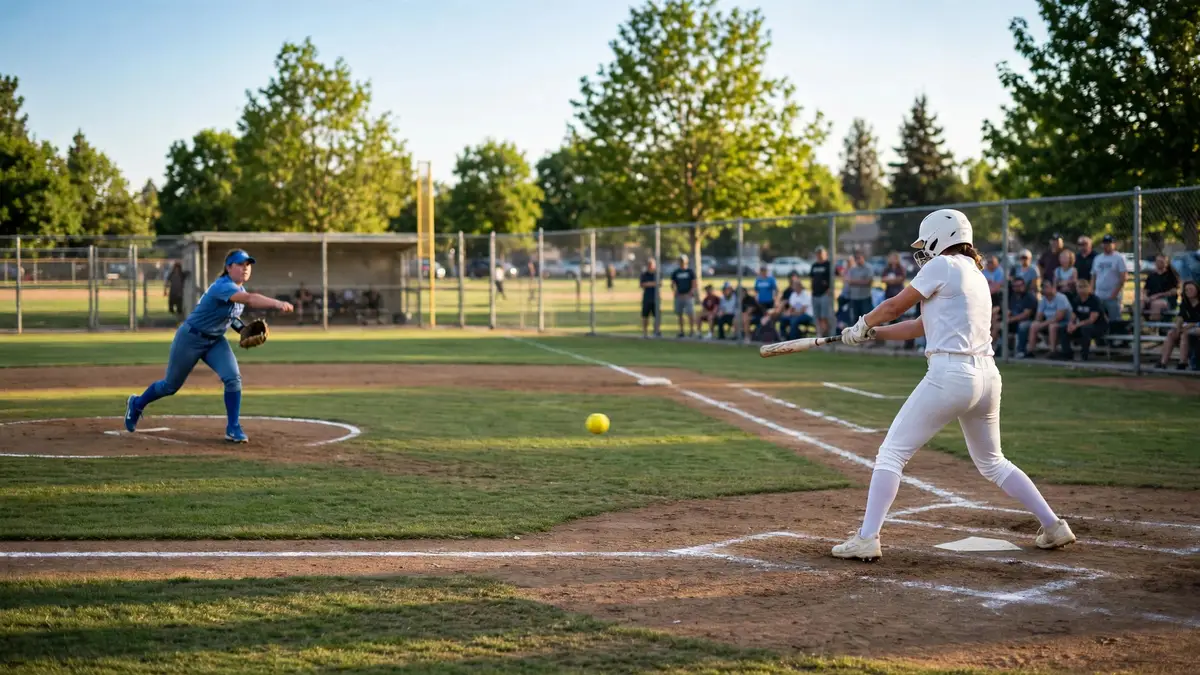



MLB Baseball Lineups: Batting Order and Strategy
A baseball lineup card looks simple: nine names in a column, with a position beside each one. Behind that column sits most of a manager’s job. The order decides who bats most often, who bats with runners on base, who faces the toughest pitching, and who gets the last at-bat in a close game.
This guide explains how MLB lineups work: the nine spots, the roles in each one, the designated hitter, substitutions and platoons, the rules that bind the card, and how to read a lineup like a fan who knows what the manager is thinking.
Quick Answer
Table of Contents
- What Is a Baseball Lineup?
- How a Game Flows Through the Order
- The Nine Spots, One by One
- The Bottom of the Order
- The Designated Hitter, Explained
- The Lineup Card and the Rules That Bind It
- Batting Out of Order
- Substitutions, Pinch Hitters and Pinch Runners
- Platoons, Matchups and Lefty-Righty Choices
- Modern Lineup Thinking vs Tradition
- How to Read a Lineup Card Like a Fan
- Frequently Asked Questions About MLB Baseball Lineups
What Is a Baseball Lineup?
A lineup is the batting order: the sequence in which the nine members of the offence take their turns at the plate. The manager sets it before the game, writes it on a lineup card, and hands copies to the home plate umpire. The umpire keeps one copy and gives the other to the opposing manager. Once the cards are exchanged, the order is final except for changes allowed under the substitution rules.
The batting order is the main component of a team’s offensive strategy. It decides who gets the most chances to hit, and in which situations. A hitter’s spot is not a rank of his worth alone; it is a job, shaped by his skills, the players around him, and the pitcher he faces that day.
Each player in the lineup also has a fielding position, listed beside his name on the card: pitcher, catcher, first base, second base, third base, shortstop, left field, centre field and right field. The batting order and the fielding positions are separate ideas that share one card. A player can bat third and play shortstop, or bat ninth and play catcher; the two lists answer different questions.
Our baseball rules for beginners covers the game itself, while this guide covers the card that organises it.
How a Game Flows Through the Order
The order cycles. The leadoff hitter bats first in the first inning. If he and the next two batters are retired, the fourth hitter leads off the second inning. If the whole order bats in one inning, it starts again at the top in the same inning. The order never resets to the leadoff hitter at the start of an inning; it resumes where it left off.
The flow also shapes late innings. In the ninth inning of a close game, the manager wants his best hitters due up, not the bottom of the order. A rally that starts with the seventh hitter has a shorter path to the top than one that starts with the ninth. The order is a clock that runs through the game, and the manager sets it knowing how the late innings will look.
Fans tracking a game can follow this flow on our MLB scores page, which shows live results, standings and the playoff race.
The Nine Spots, One by One
The table below gives the traditional role of each spot and the modern view of it. The two views agree on the shape of the order and disagree on the details, which is where the strategy lives.
| Spot | Name | Traditional role | Modern view |
|---|---|---|---|
| 1 | Leadoff | Fast, makes contact, gets on base | One of the three best hitters, high on-base percentage |
| 2 | Two-hole | Bat control, bunts, moves runners | One of the best hitters overall |
| 3 | Three-hole | Best all-round hitter | A strong hitter, slightly less valuable than 1, 2 or 4 |
| 4 | Cleanup | Best power hitter | One of the three best hitters, ideally with power |
| 5 | Five-hole | Power, protects the cleanup hitter | Fourth or fifth best hitter |
| 6 | Six-hole | Secondary power | Remaining hitters, roughly descending |
| 7 | Seven-hole | Weaker hitter, often defence first | Remaining hitters, roughly descending |
| 8 | Eight-hole | Catcher, defence first | Remaining hitters, roughly descending |
| 9 | Nine-hole | Weakest hitter | Weakest hitter, or a high on-base hitter to set up the top |
Each spot is covered in detail in the sections below.
1. Leadoff: the table setter
The leadoff hitter’s job is to get on base. Speed helps, because a runner on first can steal second and score on a single, but getting on base matters more than speed alone. A leadoff hitter who walks often and rarely strikes out is worth more than a fast hitter who rarely reaches base. The modern view puts one of the team’s three best hitters here, because the spot gets the most plate appearances in the game.
2. Two-hole: the connector
The second hitter traditionally handled the bat: bunts, hit-and-runs, moving the runner over. The modern view is different. The two-hole now goes to one of the best hitters on the team, because the spot bats often and often bats with a runner on base. A good two-hole hitter can drive in the leadoff man, or reach base himself for the hitters behind him. The bunt has faded as teams have learned that giving away an out costs more than it gains in most situations.
3. Three-hole: the best all-round hitter
The third spot traditionally went to the team’s best all-round hitter: high average, some power, good in the clutch. The modern view keeps the spot strong but notes a quirk: the three-hole hitter often bats with two outs and no one on base, because the first two hitters have already been retired. That makes the spot slightly less valuable than the spots around it, even though the hitter in it is usually excellent. Teams still put a star here, but the very best hitter now often bats first or second instead.
4. Cleanup: the power hitter
The fourth hitter is the cleanup hitter, and the name says the job: clean up the bases. He bats after the table setters and the best all-round hitter, so he often comes to the plate with runners on. Power is the key skill here, because a home run with men on base scores more than a single does. The cleanup hitter is almost always one of the best hitters on the team, and often the one with the most power.
5. Five-hole: the protection
The fifth hitter protects the cleanup hitter. His job is to be dangerous enough that the pitcher cannot simply walk the cleanup man to face an easy out. A strong five-hole hitter forces the pitcher to throw strikes to the cleanup hitter, and he drives in runs himself when the cleanup man reaches base. Power or a consistent bat both work here.
The Bottom of the Order
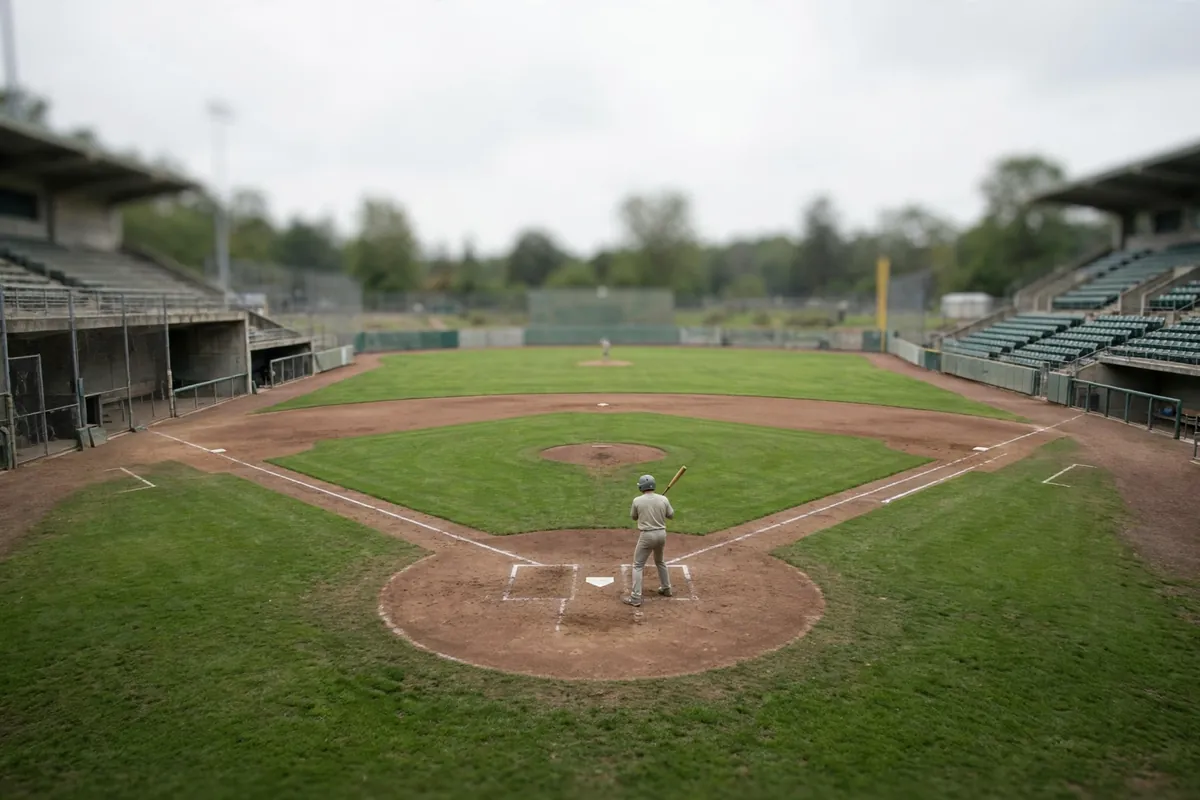
The sixth, seventh, eighth and ninth hitters are the bottom of the order. They bat less often, they bat with fewer runners on, and they score fewer runs. That does not make them unimportant.
The bottom of the order is also where a manager hides a defensive specialist. A great fielder who hits poorly can still earn a place if his glove saves runs, and the ninth spot limits the cost of his bat.
The Designated Hitter, Explained
The designated hitter, or DH, is a player who bats in place of the pitcher and does not play in the field. The DH’s spot in the batting order is fixed, and the manager cannot move the DH to a different spot through substitutions.
The rule now applies in both leagues. The American League used the DH for decades, while the National League made pitchers bat, and the two leagues played by different rules in interleague games. The universal DH, adopted for the 2022 season, ended that split: pitchers no longer bat in MLB, and every team fields a DH.
The DH is usually a power hitter, and many teams put him in the middle of the order. A DH who bats fourth or fifth adds a run producer without costing a fielding position. Some teams rotate the DH spot to rest regulars, giving a veteran a day off his feet while keeping his bat in the lineup.
Our MLB draft 2026 guide tracks the young players who may fill these spots in future seasons.
The Lineup Card and the Rules That Bind It
The lineup card is a formal document, not a suggestion. Before the game, each manager gives the home plate umpire two copies of his team’s card. The umpire keeps one and gives the other to the opposing manager. Once the cards are exchanged, the batting order is final, and a manager can change it only under the substitution rules.
The card lists the nine starters in batting order, with each player’s fielding position, plus the available substitutes. The umpire uses it to check who is batting, who has entered the game, and whether a substitution is legal. A mistake on the card can cost a team, so managers and coaches check it twice.
The starting pitcher is listed on the card, and in the DH era he does not bat. The DH is listed in the batting order at his spot, and the pitcher is listed separately. The card also shows the batting order for the whole game, not just the first inning: the order cycles from the start, and the card is the record of that cycle.
Batting Out of Order
Batting out of order is a violation of the rules, and it is covered by Official Baseball Rule 6.03(b). It happens when a team bats in a different order from the one on the card kept by the umpire, usually because of a mistake in the dugout or a wrong name posted on the scoreboard.
The rule is an appeal play. The defence must point out the mistake before the next pitch to a following batter, and the umpire then applies the penalty. If the appeal is made in time, the batter who should have batted is called out, and the proper batter comes to the plate. If the appeal comes too late, the result stands and the order continues from the batter who actually hit.
The most common cause is a simple mix-up: two players with similar names, a substitute entered in the wrong spot, or a card copied wrong. It is rare in MLB, because coaches track the order carefully, but it happens in every league at some point, and the rule exists to keep the order honest.
Substitutions, Pinch Hitters and Pinch Runners
A manager can substitute a player during the game, and the new player takes the spot in the batting order of the player he replaces. That rule is simple and strict: a substitute inherits the spot, and the order does not reshuffle around him.
A pinch hitter is a substitute who bats for another player, usually in a key moment. A manager sends a pinch hitter when a weak hitter is due up with runners on, or when a left-handed batter would fare better against a right-handed pitcher. The pinch hitter’s turn is his moment: he bats once, and if he stays in the game, he takes the fielding position of the player he replaced, or the manager makes a further change.
A pinch runner is a substitute who runs for a player already on base, usually a slow runner in a late inning. Speed on the bases can turn a single into a run, and a pinch runner is a cheap way to buy it. A defensive substitute is the opposite: a strong fielder who enters late to protect a lead, taking the spot of a weaker fielder.
Our Franklin batting gloves guide covers the gear the hitters use, and our 2025 Bowman draft checklist covers the cards collectors chase for the young players in these lineups.

Platoons, Matchups and Lefty-Righty Choices
A platoon is a pair of players who share one spot in the lineup, split by the opposing pitcher’s handedness. A left-handed hitter faces right-handed pitching, and a right-handed hitter faces left-handed pitching. The manager picks the one with the better matchup that day, and the other sits.
The logic is the platoon advantage: most hitters fare better against pitchers who throw from the opposite side. A left-handed batter sees the ball better from a right-handed pitcher, and the reverse holds for right-handed batters. The advantage is real but modest, and it is worth chasing when the bench allows it.
Managers also use matchups within a game. A left-handed reliever enters to face a left-handed hitter, and the opposing manager answers with a right-handed pinch hitter. The chess match in the late innings is built on these swaps, and the lineup card is the board it is played on.
Starting lineups change daily for this reason. A player who starts against a right-handed pitcher may sit the next day against a left-handed one, and a fan who checks the card each morning will not be surprised. Our MLB trade rumors guide explains how the players in these platoons move between teams.
Modern Lineup Thinking vs Tradition
Tradition and modern analysis agree on the shape of a lineup and disagree on the details. The traditional view puts a fast contact hitter first, a bat handler second, the best all-round hitter third, and the power hitter fourth. The modern view, shaped by run-expectancy research in The Book: Playing the Percentages in Baseball, puts the three best hitters first, second and fourth, with the next best in third and fifth.
The research behind the modern view is simple: the higher a hitter bats, the more often he comes to the plate, so the best hitters should bat as high as possible. The third spot is slightly less valuable than the spots around it, because the three-hole hitter often bats with two outs and no one on. The second spot is more valuable than tradition allowed, because it bats often and often with a runner on.
Many MLB teams now bat their best hitter first or second rather than third. The change is visible on any lineup card: a star who once batted third now leads off, and a power hitter who once batted third now bats second. The tradition has not vanished, but the numbers have moved it.
The difference between a smart lineup and a merely reasonable one is small over a season, often around one win or less. That is why managers do not obsess over the order: the players matter more than their sequence. A great lineup in a bad order still scores runs, and a weak lineup in a perfect order still struggles. The order is the last few percent, and the players are the rest.
How to Read a Lineup Card Like a Fan
Start at the top. The leadoff hitter tells you what the manager values today: speed, on-base skill, or a star moved up for more at-bats. The second hitter tells you whether the manager trusts the modern view or the traditional one.
Look at the heart. The third, fourth and fifth hitters are the run producers. If all three are strong, the team will score. If one is weak, the pitcher will work around the others to face him.
Check the bottom. A bottom that can reach base turns the order over and gives the top another chance with runners on. A bottom that cannot reach base means the top bats with the bases empty too often.
Note the DH spot and the catcher. The DH tells you where the extra power sits. The catcher tells you whether the manager picked defence or offence behind the plate today.
Finally, check who is missing. A star on the bench means rest, a matchup choice, or a minor injury. A rookie in the lineup means the manager is giving him a chance, or the regular is hurt. The card is the day’s news, written in nine names.
For the wider baseball world, our softball rules for beginners covers the cousin sport, and our LSU women’s softball schedule tracks a college season. The same card-reading habit works elsewhere: our NFL scores page and NBA scores page track the other major leagues.
Frequently Asked Questions About MLB Baseball Lineups
How many players are in an MLB starting lineup?
Nine batters, plus the starting pitcher, who does not bat under the universal DH rule. The nine batters cycle through the order for the whole game.
What is a lineup card in baseball?
A card the manager gives the umpire before the game, listing the nine starters in batting order with their fielding positions. Once exchanged, the order is final except for substitutions.
Who decides the batting order?
The manager. He sets the order before the game, and he can change it from day to day based on matchups, rest and form.
What does the designated hitter do?
The DH bats in place of the pitcher and does not play in the field. The rule now applies in both leagues, so pitchers do not bat in MLB.
What happens if a team bats out of order?
It is a violation under Rule 6.03(b), and it is an appeal play. If the defence appeals before the next pitch, the proper batter is called out and the correct batter comes up.
Can a substitute bat in a different spot in the order?
No. A substitute takes the batting spot of the player he replaces. The DH spot is fixed and cannot be moved by substitutions.
Why do lineups change every day?
Matchups, rest, injuries and form. A left-handed hitter may sit against a left-handed pitcher, a veteran may rest, and a hot hitter may move up the order.
What is a platoon in baseball?
Two players sharing one lineup spot, split by the opposing pitcher’s handedness. The left-handed hitter faces right-handed pitching, and the right-handed hitter faces left-handed pitching.
Share this article: X | Facebook | LinkedIn | Email
Written by Saadi | View all articles by Saadi
Facts checked on 14 November 2026. Sources: Baseball-Reference, Sportmentary and the Google top 10 results for the target keyword, plus Sports Flash Daily’s own baseball guides for the linked articles.