



Qualifying is the part of the race weekend that most fans skip, yet it shapes the race that follows. The starting order is decided by timed laps, and those who are quickest on the day get the best places on the grid. If a driver is fast in qualifying, the race often starts well. If a driver is slow, the first laps are a fight through traffic.
This guide explains nascar monster cup qualifying in plain terms: what qualifying is, how the rounds work, and why the starting grid matters so much. You will learn how to read the results, and how a driver who qualifies well can improve his chances of winning. It is also worth knowing that the term “Monster Cup” is an older name that was used when Monster Energy sponsored the series: it is the same as the NASCAR Cup Series.
What Is NASCAR Qualifying?
The main idea of qualifying for a NASCAR race is simple: a driver drives a set number of laps alone on the track while the clock runs, and the fastest lap counts. The drivers run one at a time, or in small groups, and the lap times order the field.
The phrase “timed lap” means a lap that counts. It is run with a flying start, and the clock starts when the car crosses the line. The driver can warm the car on the out lap, then sets a time on the next lap or two. The fastest lap is used for the grid, and the driver may take a second run if the rules allow.
Why does qualifying matter to the race? The driver who starts at the front has the cleanest air and the best chance of staying out of trouble. The pole sitter can also lead the opening laps and take control.
The Pole Position
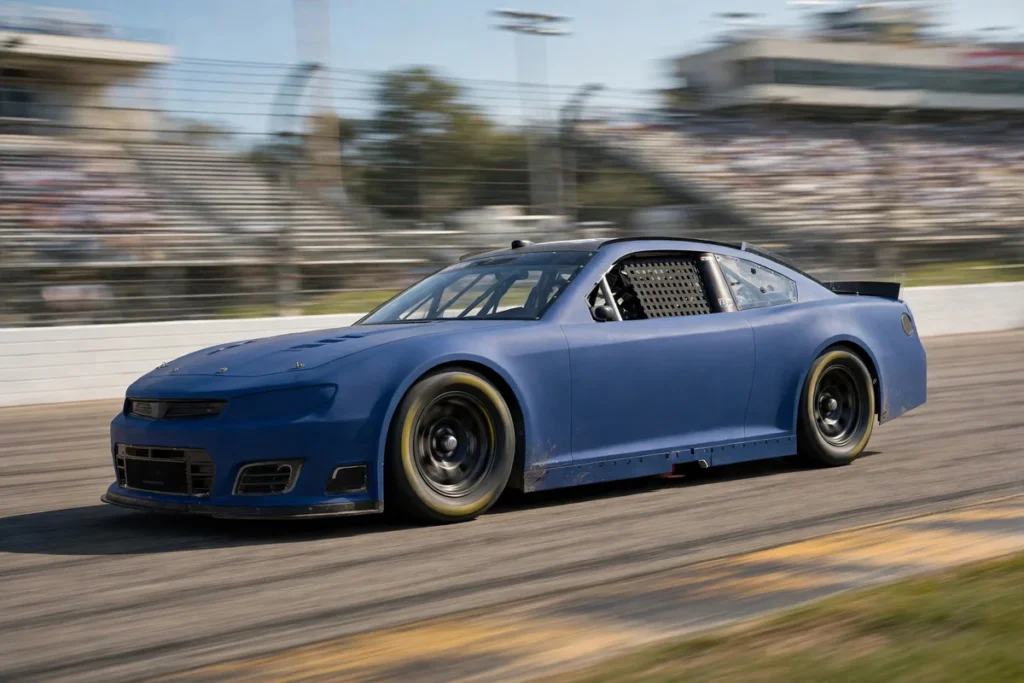
The pole position is the first spot on the grid, and it is the best place to start. It comes from the fastest lap of the day, but there is also a long tradition to the pole: the pole sitter gets the best pitch stop, the cleanest air, and the most TV time. It matters more at some tracks than at others: at short tracks, the pole is important because passing is hard; at superspeedways, the draft can help a car from deep in the pack.
A pole is not a win, but it is the best start. The pole sitter still has to win the race, but the pit choice and track position help at the start. This kind of pole position advantage is admired in NASCAR as well as in other racing series: the pole is the top of the grid.
Why Qualifying Matters to Fans
The big idea is that qualifying changes the race that follows. A quick lap sets up the field, so a fan can see who is fast and who is struggling. Here are the key reasons it matters:
- Fast laps: The pole sitter often wins, so a strong qualifying run can point to a good race.
- A quick look at the best lap time tells you which team has the best car that week.
- If a driver qualifies badly, the race often starts with a fight through traffic, and a fan can watch for moves through the field.
- A driver who sets the best time by a clear margin often has the fastest car that weekend, and it is useful to know early.
How the Starting Grid Is Set
The order of the field is set by lap time, not by how many points a driver has. The fastest lap decides the pole, and each driver after that fills the next grid slot. This means that the slowest driver starts from the back.
The aim is clear: to set the best time you can, and to avoid a mistake on the lap. A driver who spins on the warm-up lap may lose the chance to set a proper time, while a driver who hits the wall will set a slow time, cry over it, and start from the back.
The starting order matters most at short tracks and road courses, where passing is hard. At intermediate tracks, the field can spread out more, and the start is less crucial. At superspeedways, many cars are so close to the same speed that the field is tight, and the order at the start is less decisive.
Timed Laps and Speed
A driver runs the same track in every session, and the qualifying lap is the fastest one. The average speed of the lap decides who is fastest, but the talk is always about time: “he set a 30.123” means a lap of 30.123 seconds. The goal is to shave a tenth of a second off a lap, which is a lot when the field is close.
You can think of it as a series of single-lap sprints. Each driver starts behind the line, the clock starts as they cross the start, and the fastest time wins. Fans can also use the speed chart that shows each car’s position and speed through the lap, so they can see which part of the track each driver is best in.
- Laps: a qualifying lap is a flying lap that starts and ends at the line.
- The goal is to post the fastest lap time in the session.
Knockout Rounds
Two of the clearest things to understand about qualifying are the rounds and the cut. Each round starts with a fresh group of drivers, and the quickest advance. Round 1 sorts the field and cuts the slowest drivers. Round 2 cuts more, and the final round decides the top positions. Drivers who do not post a time in a round start at the back.
The table below sums it up:
| Round | What happens | Who advances |
|---|---|---|
| Round 1 | All cars set a timed lap | Fastest 24 advance |
| Round 2 | The field is cut | Fastest 12 advance |
| Round 3 | The final round sets the pole | Fastest 12 fight for the top spots |
- Keep it short. It is the fastest way to be fast, so it comes first.
- Could we see a faster lap from the driver in front? We will soon know.
- A problem on track can cut the session short, so check the time.
- If the field is close, you can be cut even if you set a good lap.
How to Read Qualifying Results
Reading the results is a matter of knowing which number matters. The grid order tells you the start, and the speed tells you the pace — the two numbers together give you a full picture of the day.
A look at the tennis scores page shows how a short scoreline can hide a long match, and a qualifying time can hide a similar story.
Reading the results is also about the context: if a driver had a quick lap but a poor grid spot, it may be because of a penalty, a spin, or a problem in an earlier round. If a driver was slow in the practice sessions but quick in qualifying, the team may have found a faster setup. The grid alone does not tell you the whole story, but it tells you the start.
Fans also look at the NBA scores and the NHL scores pages to see who is having a good weekend across different sports.
How Fans Follow Qualifying, and Common Mistakes
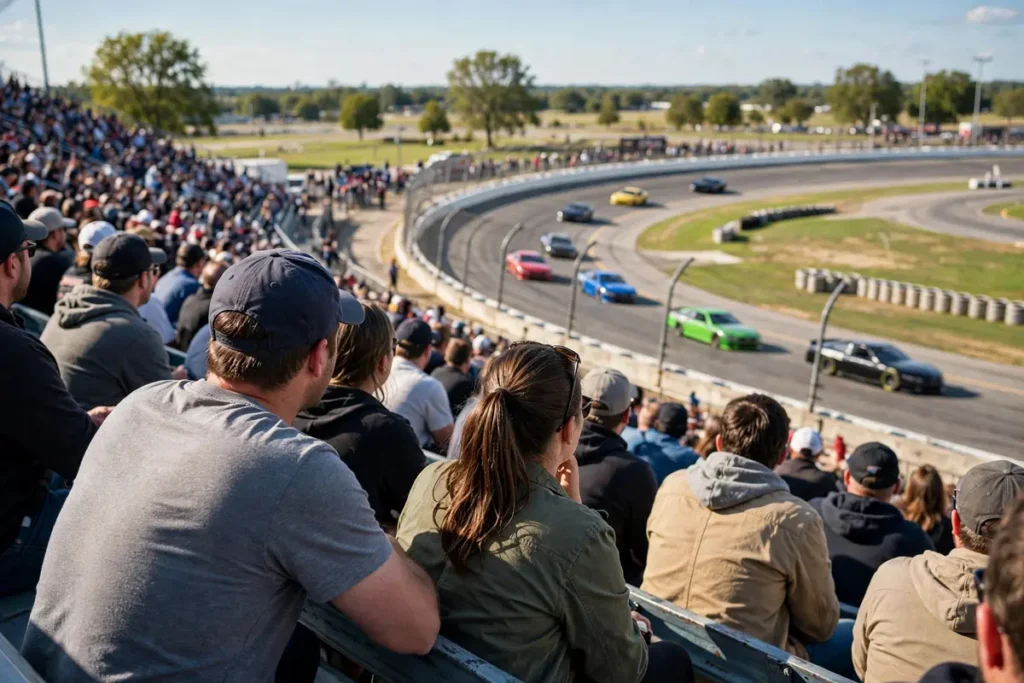
One common mistake is treating the pole winner as the likely winner: the pole winner does not always win, and the fastest lap may not mean the fastest car in the race. At tracks where the field spreads out, the pole may matter less, and the race may be won from deep in the field.
A third mistake is ignoring the format. When you read the results, note which round each driver was in, and how the cut worked. A driver may be fast but unlucky if the session was cut short by rain, while a driver who was less quick may have had better luck with the format.
Qualifying at Different Tracks
Every track is different, and qualifying times change with the layout. The rule below is a simple way to keep track:
- Short tracks: the pole matters most because passing is hard. The fastest car often leads the race.
- Intermediate tracks: speed is high, and the field can be close. The start matters, but it is not everything.
- Superspeedways: cars draft in a pack, so the pole is less important for the result.
- Road courses: qualifying is a test of skill, and the best time often comes from a driver who knows the circuit well.
Frequently Asked Questions
How is a NASCAR qualifying session run?
Cars take timed laps, often one at a time or in small groups, and the fastest time decides the grid. A knockout format is often used, with the slowest cars cut in each round.
What is the pole position?
The pole position is the first spot on the grid, and it goes to the driver with the fastest qualifying lap. The pole is an honour, and it also gives the driver pit position and track advantage.
Why does the pole matter?
The pole matters at many tracks because the first place has the cleanest air and the best track position. At short tracks, the pole is most important; at superspeedways, it matters less.
What happens if a driver crashes in qualifying?
A crash or a spin usually means the driver posts no time or a slow time. The driver may start from the back if the car can’t be fixed in time, or the team may use a backup car.
How fast are the cars in qualifying?
Average speeds depend on the track: superspeedways can see speeds above 200 mph, while short tracks are closer to 100 mph.
What does “Monster” refer to in the Monster Cup?
“Monster” was the title sponsor of the series when Monster Energy took over from Sprint. The term “Monster Cup” is an informal name for the NASCAR Cup Series season of that period. (The name changed when the sponsorship changed.)
How can fans keep up with the full race? The NASCAR schedule gives the race dates, and the NASCAR standings show where each driver stands.