




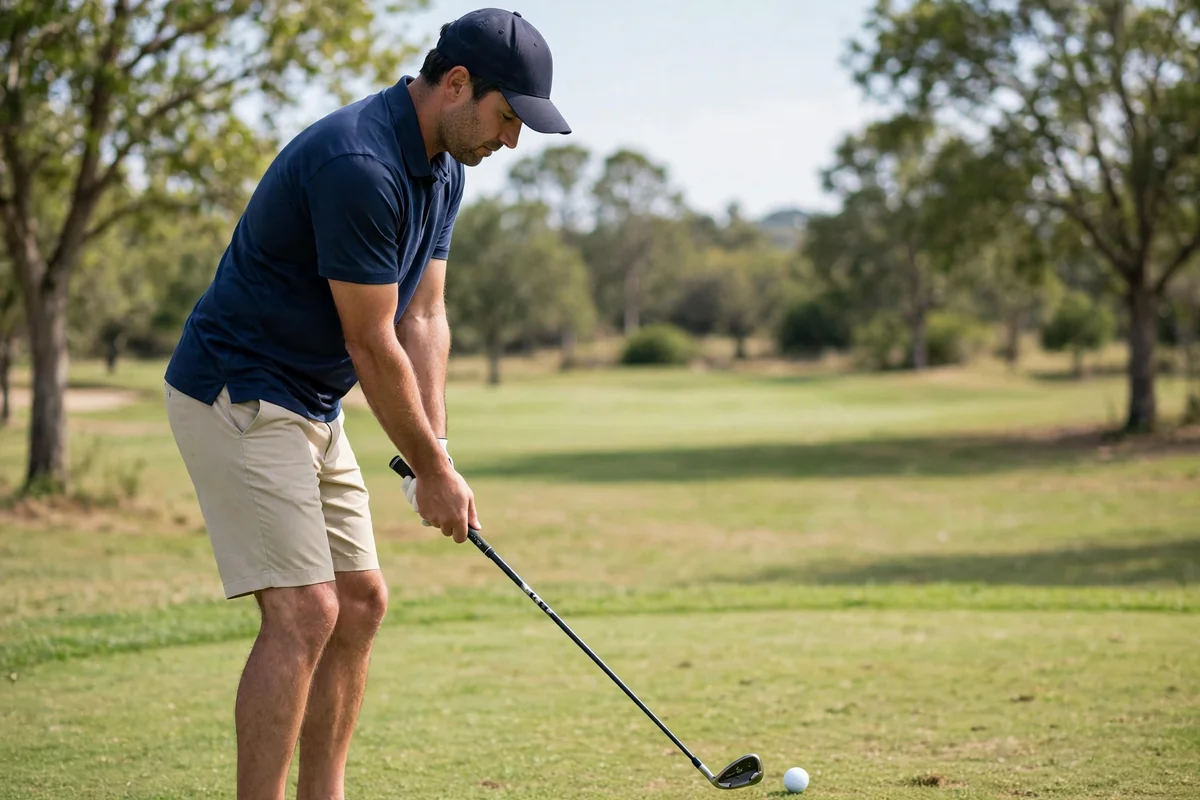
A right handed golfer wears glove on the left hand. That is the short answer, and it is the standard practice across the game, from beginners on a local course to professionals on tour. The glove goes on the lead hand, the hand that sits at the top of the grip and guides the club through the swing.
This guide explains why that is the case, how a glove should fit, which types are available, and how to look after one. It also covers common questions, such as whether to wear a glove on both hands, when to take it off, and what to do if the standard setup does not feel right for you.
The glove is a small piece of equipment, but it makes a real difference. It improves grip, protects the skin, and gives a golfer confidence in wet or humid conditions. Knowing how to choose and wear one well is a simple step that helps any golfer play better.
Quick answer: A right-handed golfer wears a glove on the left hand. The left hand is the lead hand at the top of the grip. A left-handed golfer wears a glove on the right hand for the same reason.
Why the Glove Goes on the Lead Hand
The lead hand is the hand nearest the top of the club when you address the ball. For a right-handed golfer, that is the left hand. For a left-handed golfer, it is the right hand. The glove protects that hand because it does most of the work in holding the club steady.
The Role of the Lead Hand
The lead hand controls the clubface through the swing. It sets the angle of the club at impact and helps keep the grip stable. Because it works so hard, it is the hand most likely to slip or blister. A glove adds grip and a layer of protection where it is needed most.
The other hand, the trail hand, usually stays bare. It adds feel and control, and many golfers prefer to feel the grip directly with that hand, just as batters rely on feel when checking the MLB scores after a big hitting night. That balance, one gloved hand and one bare hand, is the standard setup for most players.
Why Not Both Hands?
Some golfers do wear two gloves, often in cold or wet weather. That is a personal choice, and it is allowed. Most golfers wear one glove because the trail hand benefits from direct contact with the grip. Wearing two gloves can reduce feel, which matters for short shots and putts.
If you try two gloves and prefer the feel, there is no rule against it. Golf is a game of personal comfort as much as technique, and the same is true for players whose weeks are tracked on the NFL scores page. The standard is one glove on the lead hand, but the best setup is the one that helps you swing with confidence.
How a Golf Glove Should Fit
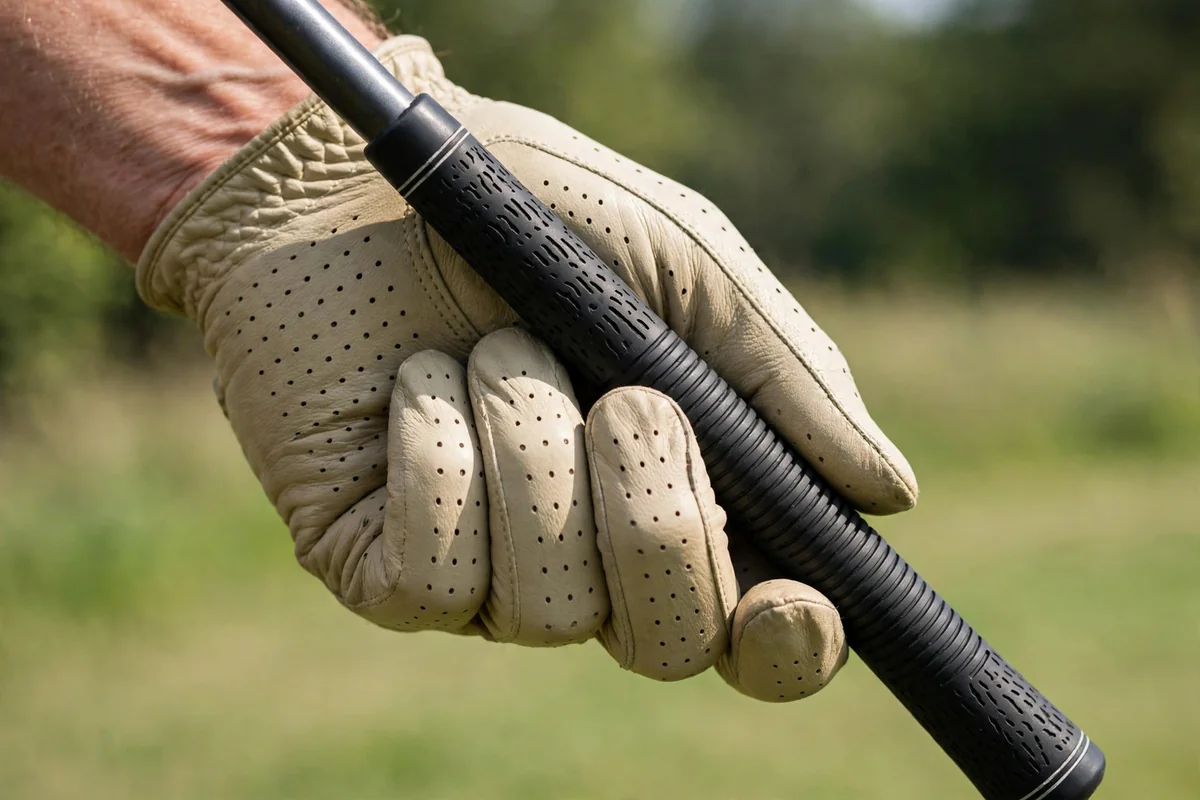
Fit is the most important part of choosing a glove. A glove that is too loose will bunch up and slip. A glove that is too tight will restrict movement and wear out fast. A good fit feels like a second skin.
The Finger Test
A well-fitting glove should fit snugly across the fingers, with no loose material at the tips. The fingers should reach the end of each glove finger without stretching the material. If the fingertips are loose, the glove is too big. If the fingers feel pinched, it is too small.
The Palm and Wrist
The palm should sit flat against your hand, with no bunching or wrinkles. The wrist closure should fasten comfortably and hold the glove in place through the swing. You should be able to close your hand fully and grip a club without the glove pulling or digging in.
Trying a Glove On
Always try a glove on before buying if you can. Make a fist, open your hand, and hold a club if one is available, taking the same care as fans who follow the NBA scores night after night. The glove should move with your hand, not against it. Walk around the shop for a minute and see if it stays comfortable. A glove that feels good at first but pinches after a minute is not the right size.
Types of Golf Gloves
Golf gloves come in several types, and the differences matter. The main choices are material, weather design, and fit style. Each type suits different conditions and preferences.
- Leather gloves are the most popular choice. They offer a soft feel, a secure grip, and good durability for regular play.
- Synthetic gloves are often lighter and more flexible. They can be a good choice in warm weather or for golfers who want a snug, stretchy fit.
- All-weather gloves use materials that grip well when wet. They are useful for rain or high humidity.
- Winter gloves are thicker and often sold in pairs. They keep hands warm in cold conditions.
- Fingerless or short-cuff styles exist for golfers who want extra breathability or a different feel.
Material is the biggest decision. Leather feels premium and moulds to the hand over time, while the boxing schedule shows how hand protection matters in another sport entirely. Synthetic options can be easier to care for and may dry faster. There is no single best choice, so it helps to try both and see which feels better in your hand.
When to Wear a Glove
Most golfers wear a glove for full shots, from the tee through to approach shots. The glove gives grip and protection on the shots where the club is swung hardest. That covers most of the shots in a round.
Full Shots and Drives
The glove is most useful on drives and long iron shots. These are the shots where the club moves fastest and the grip is under the most stress, a kind of pressure also seen in the NHL scores during a tight third period. A glove helps keep the club steady and reduces the risk of it slipping at impact.
Short Game and Putting
Many golfers remove the glove for chips and putts. The reason is feel. Short shots need touch, and a bare hand gives more feedback from the club. This is a personal habit, and some golfers keep the glove on for every shot. There is no rule that forces you to take it off.
Wet and Humid Conditions
In rain or humidity, a glove becomes even more useful. Sweat and rain make grips slippery, and a glove helps maintain control. Some golfers carry a spare glove in wet weather and switch to a dry one during the round. That simple habit can make a big difference on a damp day.
How to Put On and Take Off a Glove
Putting on a glove well takes a few seconds, and doing it properly helps it last longer. Start by sliding the fingers in one at a time, then pull the glove over the palm and fasten the wrist. Smooth out any wrinkles before you grip the club.
Taking it off matters too. Pull it off gently from the wrist, rather than yanking at the fingers. That avoids stretching the material out of shape. If the glove is damp, let it air dry rather than scrunching it into a pocket.
Caring for Your Golf Glove
A glove lasts longer with a little care. The main enemies are sweat, moisture, and being stored badly, lessons that apply to kit in any sport, including the gear behind the MLS scores. A few simple habits will keep a glove in good shape for many rounds.
- Let the glove air dry after each round, away from direct heat.
- Do not leave a damp glove crumpled in a bag or pocket for days.
- Keep the glove flat or lightly rolled, not folded tightly.
- Wash a glove only if the maker says it can be washed, and follow the care label.
- Replace a glove when the palm wears thin or the grip starts to slip.
A glove is a consumable item. Even with good care, it will wear out. Regular players often replace gloves several times a season. That is normal, and it is a sign the glove has done its job.
Common Fit Problems and Fixes
Even a good glove can cause trouble if the fit is wrong. The problems below are common, and each has a simple fix. If a problem keeps coming back, try a different size or style.
| Problem | Likely cause | Fix to try |
|---|---|---|
| Glove slips during the swing | Glove too large or worn out | Try a smaller size or a new glove |
| Fingers feel pinched | Glove too small | Try a larger size |
| Palm bunches up | Wrong size or fit style | Try a different cut or brand |
| Wrist closure comes loose | Closure worn or glove stretched | Replace the glove |
| Blister despite wearing a glove | Grip too tight or glove worn thin | Check grip pressure and replace glove |
| Glove feels stiff | New leather not broken in | Wear it for a few practice swings |
The table above covers the issues most golfers meet. A small change in size often solves the problem, so do not give up on gloves after one bad fit. The right glove should feel natural within a few swings.
Gloves for Beginners
Beginners often wonder whether they need a glove at all. The honest answer is that most golfers find one helpful, especially while learning. A glove reduces blisters, improves grip, and gives confidence on full swings.
Starting Out
If you are new to the game, start with a standard leather or synthetic glove on your lead hand. Choose a comfortable fit and wear it for full shots. Take it off for putting if you like the feel, or keep it on if that feels simpler. There is no wrong choice while you are learning.
Learning Good Habits
A glove can help a beginner learn a relaxed grip. When the club feels secure, there is less need to squeeze it hard. A relaxed grip leads to a smoother swing and better contact. That is a useful habit to build early, and a glove supports it.
Beginners also benefit from the same routine as experienced players. A look at the PGA Tour schedule shows how often professionals play in different conditions, and they rely on gloves in all of them. The habit is the same at every level: glove on for full shots, glove off for feel when it helps.

Gloves in Different Weather
Weather changes how a glove performs. A glove that feels perfect on a dry day can feel slippery or stiff in other conditions. Knowing how to adapt keeps your grip secure all year.
Hot and Humid Days
Sweat is the main problem in heat. A glove absorbs moisture and can become damp and heavy. Carrying a spare glove and switching at the turn is a common solution. Synthetic gloves can also help, since some dry faster than leather.
Rain
Rain makes grips slippery fast. All-weather gloves are made for this, with materials that grip better when wet. A towel to dry the grip and the glove between shots also helps. Some golfers keep a rain glove in the bag for exactly this situation.
Cold Weather
Cold hands lose feel and grip strength. Winter gloves, often worn as a pair, keep hands warm between shots. Some golfers wear a winter pair to walk between shots and switch to a standard glove to hit. That routine keeps hands warm without losing feel at impact.
Choosing Your First Glove
Choosing a first glove is simpler than it looks. The steps below will help you pick one that fits well and suits the way you play.
- Decide your lead hand: left for a right-handed golfer, right for a left-handed golfer.
- Try on a few sizes and pick the snuggest fit that still lets you close your hand fully.
- Choose leather for feel or synthetic for flexibility, based on what you prefer.
- Check the wrist closure and make sure it fastens securely.
- If you play in rain or humidity, consider an all-weather option as a spare.
That list is all you need to start. You do not need the most expensive glove to play well, and the same steady approach helps fans following the college basketball scores through a long season. A well-fitting glove at a fair price will do the job, and you can refine your choice as you play more.
The Glove and the Rest of Your Equipment
A glove works as part of a set of equipment. It connects your hand to the club, and the club connects to the ball. That chain means a glove problem can show up as a swing problem, and a grip problem can show up as a glove problem.
Grips and Gloves Together
Grips wear out too. A worn grip can feel slippery even with a good glove. If a new glove does not solve a slipping problem, check the grips. Replacing worn grips is a simple job, and it makes the glove work better.
Shoes, Clothing, and Comfort
Comfort matters across the whole game. A glove that fits well, shoes that support your feet, and clothing that lets you swing freely all add up. No single item fixes a swing, but each one removes a distraction. That is the real value of good equipment: it lets you focus on the shot.
Fans who follow other sports will recognise the same idea. A look at the college football scores shows how much preparation goes into every game, and equipment is part of that preparation in every sport. Golf is no different.
Myths About Golf Gloves
A few myths about gloves come up often. Clearing them up helps golfers make better choices and avoid wasting money.
- Myth: only professionals need gloves. Reality: beginners benefit just as much, if not more, because gloves prevent blisters while learning.
- Myth: a tighter glove always grips better. Reality: a glove that is too tight restricts movement and wears out faster.
- Myth: gloves are only for rain. Reality: gloves help in dry conditions too, by adding grip and protecting the skin.
- Myth: one glove fits every golfer. Reality: hands differ in shape, so trying sizes and styles matters.
- Myth: an expensive glove guarantees a better score. Reality: fit matters more than price, and a well-fitting glove at any price beats a poor fit.
These myths persist because gloves look simple. They are simple, but fit and material still matter, a point regular readers of the WNBA scores will recognise from debates about equipment and feel. A little knowledge goes a long way.
How Often to Replace a Glove
There is no fixed lifespan for a glove. How often you play, how hard you grip, and the weather all affect wear. A regular player may go through several gloves in a season. A casual player may use one glove for much longer.
Signs It Is Time for a New One
Look for a thin or shiny palm, a loose fit that was once snug, or a wrist closure that no longer holds. If the glove slips during the swing, it is time to replace it. Do not wait until it tears, since a torn glove can fail at the worst moment.
Getting the Most From Each Glove
Rotate two gloves if you play often. That gives each one time to dry between rounds. Store gloves flat, keep them out of direct sun, and let them air dry after wet rounds. These small habits extend the life of each glove and keep your grip consistent.
The Glove in Practice: A Simple Routine
A simple routine makes the glove part of your game rather than a distraction. Use the same steps each round, and the glove will feel natural within a few holes.
- Put the glove on before your first full shot, not on the putting green.
- Check the fit and smooth out wrinkles before each shot.
- Take the glove off for putts if you prefer the feel, or keep it on if you like.
- Let the glove air dry between rounds, and carry a spare in wet weather.
- Replace the glove when the palm wears thin or the fit loosens.
That routine takes seconds and removes a common source of trouble. It also helps you notice when a glove is wearing out, before it becomes a problem in the middle of a round.
Frequently Asked Questions
Which hand does a right-handed golfer wear a glove on?
The left hand. The left hand is the lead hand for a right-handed golfer, sitting at the top of the grip. A left-handed golfer wears a glove on the right hand for the same reason.
Should I wear a glove on both hands?
Most golfers wear one glove, on the lead hand. Some wear two in cold or wet weather. Try one glove first, and add a second only if it feels better for you.
Do I need a glove to play golf?
No, you can play without one. Most golfers find a glove helpful for grip and comfort, especially on full shots. It is a personal choice, not a rule of the game.
When should I take my glove off?
Many golfers take the glove off for chips and putts, where feel matters most. Others keep it on for every shot. Try both and use the routine that feels best to you.
How tight should a golf glove fit?
It should fit snugly, like a second skin, with no loose material at the fingertips or palm. You should be able to close your hand fully and grip a club without pinching or bunching.
How do I know when to replace my glove?
Replace it when the palm wears thin, the fit loosens, the wrist closure fails, or the glove slips during the swing. A worn glove gives less grip, so a fresh one is worth the change.
Can I wear a golf glove in the rain?
Yes, and it helps. All-weather gloves are made for wet conditions. Carry a spare glove and a towel in rain, and switch to a dry glove when the first one gets soaked.



















