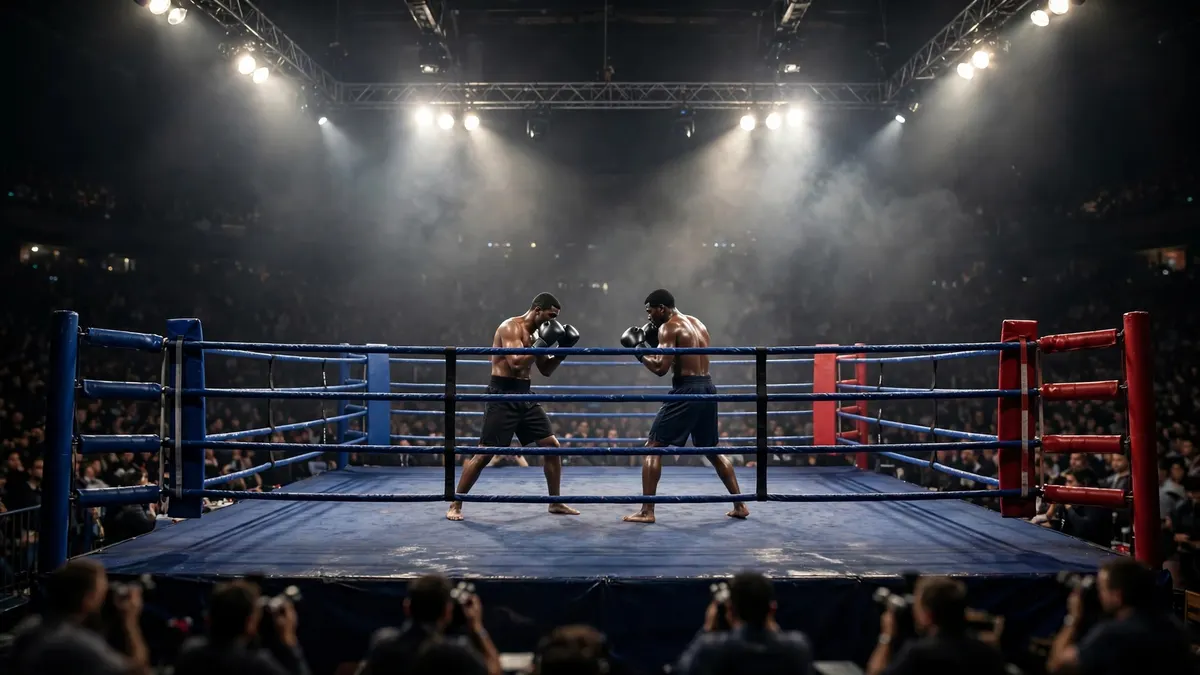



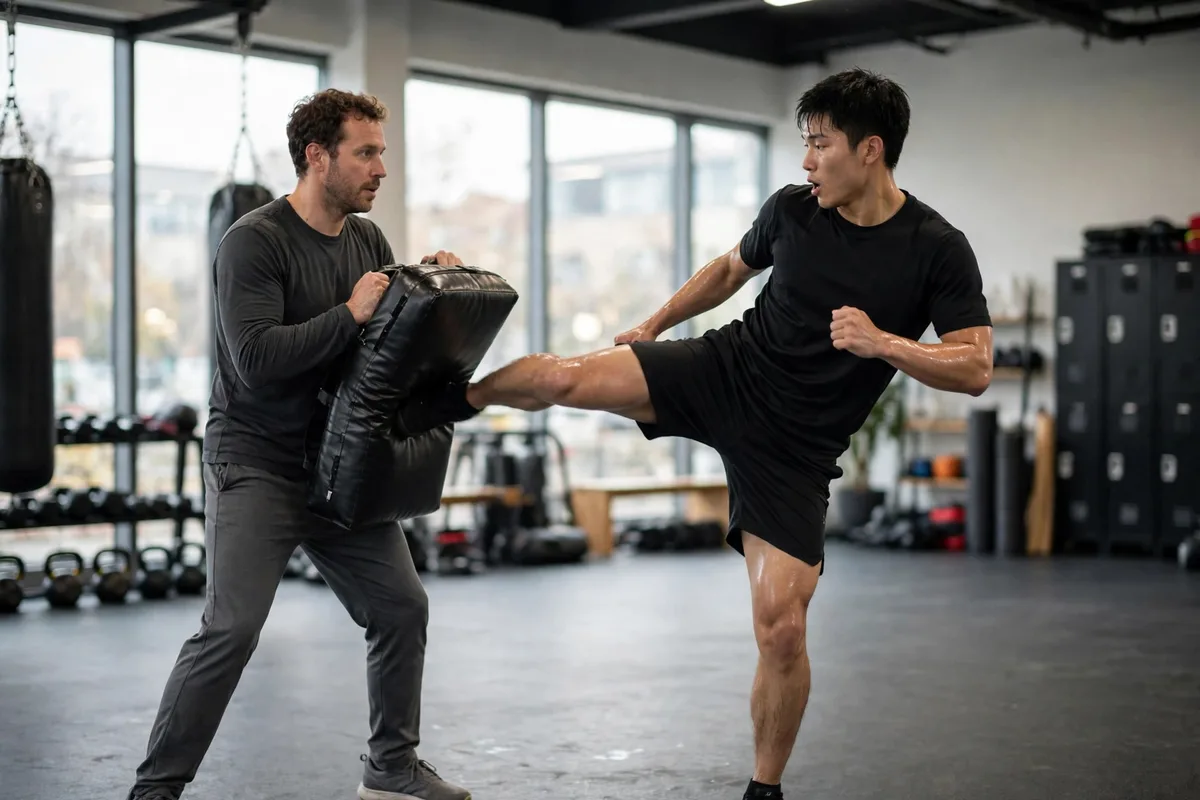
Martial arts are a world of movement, discipline, and skill, and they look different from the outside than they do from the inside. To a newcomer, the names blur together, but each style has its own rules, its own rhythm, and its own purpose. Some are about striking, some about grappling, and some about both. This guide sorts them out so you can choose the right one for you.
If you have ever wondered what is mixed martial arts, this guide also explains how the styles fit together, and how MMA brings them into one sport. By the end, you will know what martial art should i learn if strength, speed, self-defence, or fitness is what you want most.
What Counts as a Martial Art?
A martial art is a codified system of combat that is taught as a discipline, with rules, ranks, and a culture. That sounds formal, but in practice, martial arts are ways of moving your body with purpose, whether you want self-defence, fitness, or competition. Not every style is for fighting: some are for health, some for performance, and some for tradition.
Martial arts come from many cultures, and they grew from different needs. Some grew from war, some from sport, and some from self-defence in daily life. The names matter less than the ideas: a system that teaches you to move well, to read an opponent, and to stay calm under pressure is a martial art, whether it is old or new.
There are hundreds of styles, and new ones appear all the time. This guide groups them by how they work, not by their passport, because the method is what matters when you choose. You do not need to know every style to pick well: you need to know what kind of training you enjoy.
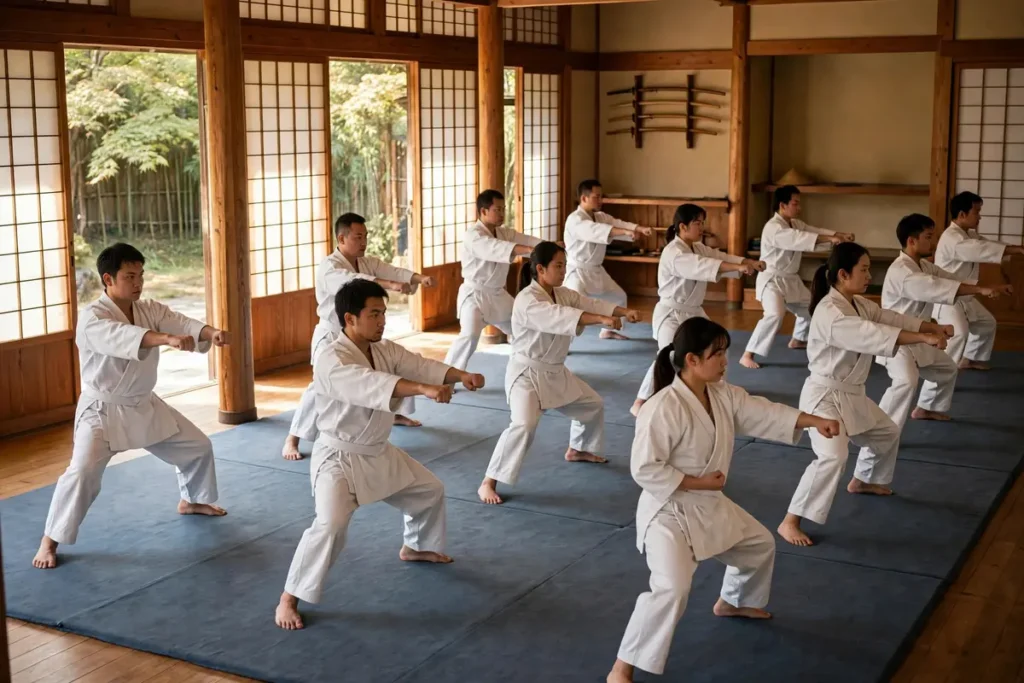
Striking Arts: Punches, Kicks, Knees, and Elbows
Striking is the most direct form of martial arts: you hit with your hands, feet, knees, or elbows. The best striking arts teach you to land shots cleanly, move out of danger, and control distance. These are good choices if you want fitness, speed, and a clear sense of progress.
Karate: The Way of the Empty Hand
Karate is a Japanese art that uses open-hand strikes, punches, and kicks. It is a good choice for beginners because it has clear ranks, a formal structure, and it teaches respect and focus as well as technique. Karate also builds balance and timing, which help in any sport.
If you are looking for the different types of martial arts for beginners, karate is one of the best starting places, because there are classes almost everywhere.
Taekwondo: The Way of Foot and Fist
Taekwondo is a Korean art known for fast, high kicks and athletic movement. It is an Olympic sport, and it is one of the most recognisable martial arts in the world. Training focuses on flexibility, speed, and precise kicks, and it suits people who want a high-energy workout.
Taekwondo classes are often large, and they include forms (poomsae) and sparring. It is a good way to build leg strength and balance, and it teaches discipline through clear forms and belt ranks.
Muay Thai: The Art of Eight Limbs
Muay Thai is a Thai art that uses punches, kicks, knees, and elbows, which is why it is called the art of eight limbs. It is fast, physical, and close, and it is used in professional kickboxing and MMA. Muay Thai is a good choice if you want to learn how to strike in close, and it builds toughness as well as technique.
Training includes pad work, heavy bag work, and sparring. It is not a gentle art, but it is clear and honest: you learn what works by doing it, and you learn to take a hit as well as give one.
Grappling Arts: Control from the Ground
Grappling is about control: you take an opponent down, hold them down, or make them submit. These styles are good if you want to learn how to handle someone bigger than you, and if you prefer a puzzle to a contest of speed. Grappling also builds strength and patience, because a single hold can take a long time to set up.
Judo: The Gentle Way
Judo is a Japanese art that uses throws and holds. The idea is to use an opponent’s force against them, so size matters less than timing and leverage. Judo is an Olympic sport, and it teaches falling safely, which is a useful skill in any martial art.
Classes often start with breakfalls, then throws, then ground holds. Judo is a full-body workout, and it teaches respect and focus. If you are strong, judo will make you stronger; if you are not, it will teach you how to win without strength.
Brazilian Jiu-Jitsu: The Ground Game
Brazilian jiu-jitsu (BJJ) is a grappling art that focuses on ground fighting: you learn to control an opponent, escape bad positions, and apply joint locks and chokes. It is one of the foundations of MMA, because most fights spend time on the ground. BJJ is good if you want to learn how to think your way out of trouble.
BJJ classes often use live rolling, which is a form of light sparring. It is a slow art to learn, but it rewards patience, and it is honest: you know quickly if a technique works or not.
Wrestling: The Oldest Grappling Art
Wrestling is one of the oldest sports in the world, and it is part of Olympic competition. It uses takedowns, controls, and pins — wrestling alongside other grappling methods that are often studied together in MMA. Wrestling builds strength, balance, and the habit of staying on your feet while you move an opponent. It is a great base for any grappling art.
Wrestling is also the base of many MMA fighters: they may wrestle first, then add striking. The skills are different from judo in that wrestling focuses on control and pressure rather than throws and submissions.
Hybrid and Modern Systems
Some martial arts do not fit neatly into striking or grappling groups because they blend both. These are often the best choice for self-defence and for MMA, because real fights do not stay in one range. The best-known hybrid systems are MMA itself, krav maga, and sambo.
MMA: The Modern Blend
Mixed martial arts (MMA) blends striking and grappling: you learn to punch and kick, to take an opponent down, and to control them on the ground. It is a sport, so it has rules, weight classes, and rounds, but it is also a good way to learn how the styles fit together. MMA is a good choice if you want to be well-rounded, though it is also the most demanding to train, because you must learn many skills.
MMA is a young sport, but its rules have proved clear, and it has grown because it is honest: it tests what works. The best MMA fighters are not the best strikers or the best grapplers, but the ones who blend both at the right moment. Our what is mma guide explains how it works.
Krav Maga: Practical Self-Defence
Krav maga comes from Israel, and it was designed for self-defence: it teaches you to deal with grabs, chokes, and knives, and to escape quickly. It uses strikes, but it also includes simple, direct techniques that are easy to learn. Krav maga also teaches mindset: stay calm, act fast, and leave if you can.
Krav maga is used by the police and the military, but it is taught to civilians as well. Classes are often short and direct, and the focus is on scenarios rather than sport. If your main goal is self-defence, this is a good start.
Sambo: The Russian System
Sambo is a Russian system that blends judo, wrestling, and striking. It is used in combat sport and MMA, and it is known for its throws and leg locks. Sambo is less familiar in the West, but its fighters are known for their toughness: they train at a high level, and they are used to pressure.
If you want something strong and practical, sambo is worth a look, though classes are less common in the US. The ufc features many sambo-trained fighters, which is a useful sign of its quality.
Choosing the Right Martial Art for You
The best martial art is the one you will stick with, so start with what fits your life, not what sounds impressive. Some styles are hard on the body, some are slow to learn, and some need a lot of time. The right choice depends on your goals:
- If you want fitness and fun, try taekwondo or karate.
- If you want self-defence, try krav maga or BJJ.
- If you want competition, try judo, wrestling, or MMA.
- If you want a mix, try muay thai or sambo.
Visit a class before you commit, and ask the instructor how the style is taught. A good school will let you watch first, and it will explain the ranks and the costs. Do not sign up for a long contract before you have tried it.
Another useful thought: your body matters. If you are tall, striking may suit you; if you are strong, grappling may suit you; if you are quick, taekwondo may suit you. There is no wrong body for martial arts, but some styles will feel more natural than others at first.
How to Start Training
Starting is easy: find a class near you, wear comfortable clothing, and bring water. You will need to learn some etiquette: bow when you enter, listen to the teacher, and train with care. Most schools will lend you a uniform, and they will explain the belt system and the rules before you start.
Do not expect to be good at once: the first lesson is often a series of small moves, and it may feel awkward. Keep going: most students take a few months to feel comfortable, and then they start to enjoy it. Practise the basics at home, and ask questions as you go.
Age is not a barrier. Children can start as young as five or six in some styles, while adults can start at any age. If you have old injuries or health issues, tell the teacher so they can adapt the class.

Comparing Martial Arts at a Glance
The table gives a quick sense of each style, so you can compare them in one place:
| Style | How it fights | Best for | Hard to learn? |
|---|---|---|---|
| Karate | Striking | Beginners and tradition | Not very |
| Taekwondo | Striking, high kicks | Speed and flexibility | Moderate |
| Muay Thai | Striking, clinch | Fitness and stand-up skill | Demanding |
| Judo | Throws, holds | Balance and control | Moderate |
| BJJ | Ground control | Self-defence | Takes time |
| Wrestling | Takedowns, pins | Strength and control | Demanding |
| MMA | Blends striking and grappling | All-round skill | Most demanding |
| Krav Maga | Self-defence | Real situations | Practical |
Common Myths about Martial Arts
A few myths stop people from trying a martial art, so it helps to know the facts:
- You do not need a black belt to learn self-defence.
- Martial arts are not only for the young or the strong.
- Size does not decide who wins: technique and leverage matter more.
- You will not become violent by training: most martial artists are calm and controlled.
- Martial arts are not easy: mastering any style takes years, but anyone can start.
Frequently Asked Questions
Which martial art is best for beginners?
Karate, taekwondo, and BJJ are all good choices, and the best one also depends on the school. A good teacher matters more than the style, so visit a class and talk with the instructor.
Can I learn a martial art at home?
You can learn the basics at home through videos, but you will learn much faster with a teacher who can correct your mistakes. A class also gives you a partner to practise with, which is hard to do alone.
Do I need to be fit to start?
No, but you will get fitter as you train. Most schools start slowly, and they will ask about your health. Tell the teacher about any injuries, so they can adapt.
Which martial art is best for self-defence?
Krav maga is taught for self-defence, and BJJ is also a good choice, because it teaches you how to control someone bigger than you. Both are practical, and they work in real situations.
Is MMA the same as martial arts?
No. MMA is one sport that blends many martial arts. The styles in this guide are separate arts, and you can learn any of them without doing MMA.
How long does it take to get good?
It takes months to feel comfortable, years to be good, and a lifetime to master. The first three months are the hardest, so keep going even when it feels slow.
If you want to see how styles are used in professional fighting, you can read the guide on our conor benn record page to see how different styles shape one fighter’s boxing story.