





Batting gloves are a small piece of kit with a big job. They protect your hands, improve your grip, and reduce the sting when you hit a ball off the end of the bat or near the handle. Franklin is a well-known name in baseball gloves, and many players start with a Franklin pair because they are widely available and easy to find in youth and adult sizes.
This guide explains what Franklin batting gloves are, how the main types differ, how to find the right fit, and how to look after a pair. It does not list prices or claim that one model is better than another, because models change and hands differ. The goal is to help you choose a pair that fits well and feels right for your game.
If you are new to baseball, it helps to learn the rules first. The baseball rules for beginners guide explains the game in plain terms.
What Batting Gloves Do
A batting glove sits between your hand and the bat. It adds a thin layer of padding and grip, so the bat does not slip when your hands sweat, and the impact of the ball does not sting as much. That matters most on mishits, when the ball meets the bat away from the sweet spot.
Gloves also protect against blisters. Repeated swings, especially in practice, can rub the skin on your palms and fingers. A glove reduces that friction, so you can take more swings in a session without sore hands. For younger players, that comfort can make practice more enjoyable.
Grip and Control
Grip matters in many sports, not just baseball. The basketball rules for beginners guide shows how grip and control shape play in a different game.
Grip is the main benefit. A dry, tacky glove helps you hold the bat firmly without squeezing too hard. That lets you swing with a relaxed grip, which helps bat speed and control. A glove that is too slippery, or too thick, can have the opposite effect.
Control also comes from feel. A good glove is thin enough that you can still feel the bat in your hands. You should not feel as if you are holding the bat through a thick pad. The glove should help, not hide, the feel of the bat.
Protection From Sting and Blisters
Protection from sting matters most on mishits. The champion sports junior rubber basketball guide shows how equipment is chosen for younger players in another sport.
Sting happens when vibration travels through the bat into your hands. It is worst on cold days and on mishits. Padding in the palm can reduce that vibration, though no glove removes it completely. A glove also spreads the force a little, so a mishit feels less sharp.
Blisters form where the bat rubs the same spot again and again. Gloves cover those spots and reduce friction. If you already have a blister, a glove can protect it while it heals, though you should still rest if the skin is broken.
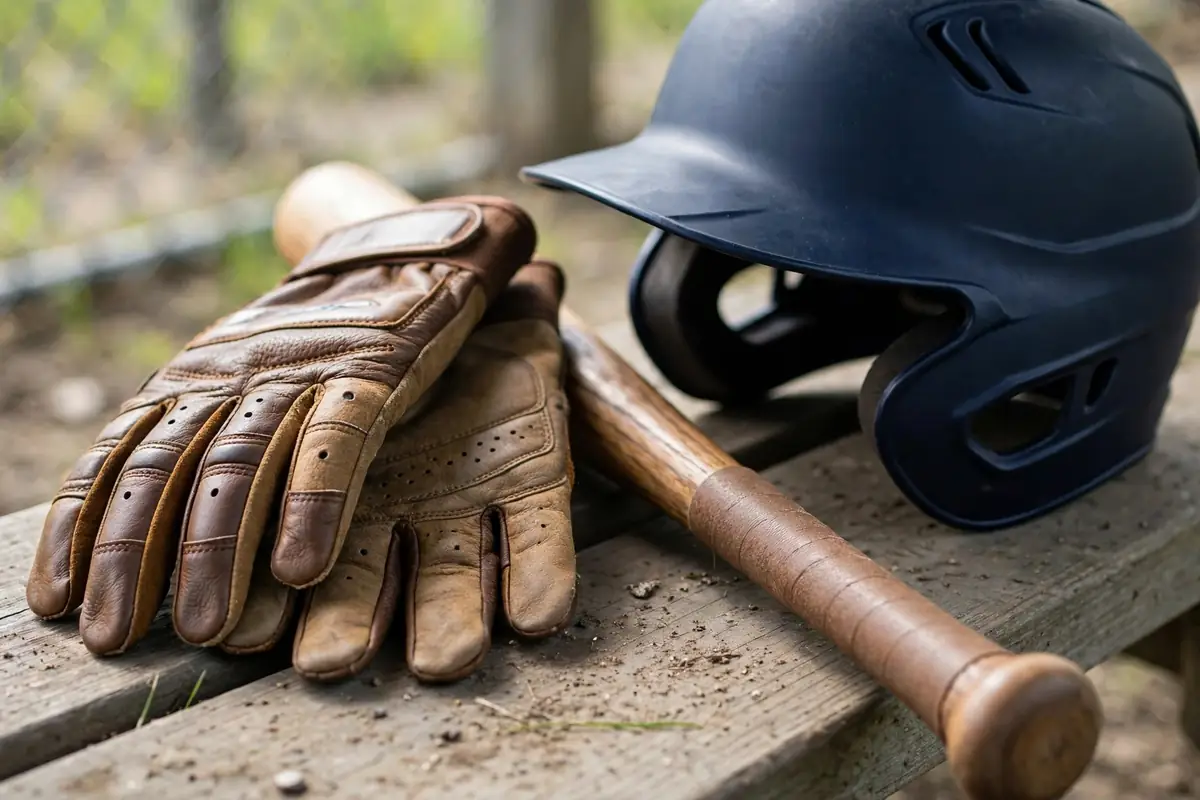
Types of Franklin Batting Gloves
Franklin batting gloves come in several styles, and the differences are mainly in material, padding, and fit. Some are made for youth players, some for adults, and some for specific needs such as extra grip or extra padding. The names and models change over time, so focus on the features, not the label.
A basic pair is a good start for most players. It offers grip, light padding, and a comfortable fit, without extra features you may not need. As you play more, you may learn that you prefer a thinner glove, a thicker palm, or a different closure.
- Youth gloves: Smaller sizes, often with a snug fit and lighter padding, made for younger hands.
- Adult gloves: Larger sizes, with more room in the fingers and palm, made for adult hands.
- Basic training gloves: Simple gloves for practice and games, with grip and light padding.
- Grip-focused gloves: Gloves with a tackier palm, made for players who want extra hold on the bat.
- Padded gloves: Gloves with extra palm padding, made for players who feel sting more often.
If you play in a league, check whether your league has any rules on gloves. Most leagues allow batting gloves, but some youth leagues have rules on colour or style. Your coach can confirm what is allowed.
Youth Versus Adult Gloves
Youth and adult sizes differ in most sports equipment. The softball rules for beginners guide explains a related bat-and-ball game in plain terms.
Youth gloves are not just smaller adult gloves. They are shaped for smaller hands, with shorter fingers and a narrower palm. An adult glove on a young hand will feel loose, and the fingers may be too long. That loose fit reduces grip and control.
Adult gloves are shaped for larger hands, with more room and often a firmer feel. A youth glove on an adult hand will feel tight and may restrict movement. Choosing the right age range is the first step in finding a good fit.
Material Choices in Plain Terms
Most batting gloves use a mix of leather and synthetic materials. Leather palms often feel soft and offer good grip, and they can mould to your hand over time. Synthetic palms are often lighter, easier to clean, and a practical choice for a first pair.
The back of the glove is often a stretch material, which lets the glove flex as you grip the bat. That stretch helps the glove fit snugly without feeling stiff. A glove that does not stretch may feel tight across the knuckles when you make a fist.
Fit and Sizing: How to Choose
Fit is the most important part of choosing batting gloves. A glove that is too large will slide, bunch, and reduce grip. A glove that is too small will pinch, restrict movement, and wear out sooner. The right fit feels snug, with your fingers reaching the ends without pressing hard.
To find your size, measure your hand from the base of your palm to the tip of your middle finger, and across your palm at its widest point. Compare those numbers with the size chart for the gloves you are considering. Size charts vary by brand, so use the chart for the specific gloves, not a general guess.
| Hand length | Hand width | Glove size to try first |
|---|---|---|
| Short, under average | Narrow | Small or youth size |
| Average | Average | Medium |
| Long, above average | Wide | Large |
| Very long | Very wide | Extra large |
This table is a general guide, not a rule. Hand shape varies, and some players prefer a tighter fit while others prefer a little room. Try gloves on if you can, and make a fist, grip a bat, and swing gently to test the fit.
How a Glove Should Feel
A glove should feel natural through a swing. A similar focus on feel and fit appears in the volleyball rules for beginners guide to a different sport.
Put the glove on and make a fist. Your fingers should reach near the ends, but not press hard against them. Your palm should feel covered, without loose material bunching up. The glove should move with your hand, not slide around it.
Grip a bat with the glove on. The bat should feel secure, without you needing to squeeze hard. Swing gently a few times. The glove should stay in place, and the wrist closure should not dig in or slip. If the glove twists on your hand when you swing, it is too loose.
Measuring Your Hand at Home
You can measure your hand with a tape measure or a piece of string. Measure from the wrist crease to the tip of your middle finger for length, and across your palm just below the knuckles for width. Write both numbers down, and compare them with the size chart.
If you are between sizes, try the smaller size first, because batting gloves often stretch a little with use. A glove that is slightly snug at first may fit well after a few sessions, while a glove that is loose at first will only get looser. If the smaller size pinches, try the larger size.
For a comparison with another sport’s equipment, the best boxing gloves for beginners training guide shows how fit and padding work in a very different glove.
Materials, Padding, and Closure
The palm is the working part of a batting glove. It needs grip, padding, and durability. A palm that is too smooth will slip when your hands sweat. A palm that is too thick will reduce feel. A palm that wears quickly will need replacing sooner than you expect.
The back of the glove is about fit and comfort. It should stretch a little, breathe, and stay in place. A back that is too stiff can restrict your hand, while a back that is too loose can bunch up when you grip the bat.
Palm Materials and Grip
Palm material affects grip in wet and dry conditions. The tennis scores page shows how grip and timing matter in a racket sport too.
Leather palms are common in batting gloves. They offer a natural grip, and they often feel better as they break in. Synthetic palms are also common, and they can offer a tacky grip that works well in wet or sweaty conditions. Both can work well, so choose based on feel and care, not on material alone.
Grip can change with use. A new glove may feel tacky, then become smoother as the palm wears. That is normal. If the palm becomes too smooth and the bat slips, it may be time to replace the gloves, or to try a different palm style.
Padding: How Much Do You Need?
Padding in a batting glove is usually thin, in the palm area. It reduces sting and vibration, but it does not make the glove bulky. Extra padding can help if you often feel sting, or if you play in cold weather, when sting feels worse.
Too much padding can reduce feel. If you cannot feel the bat handle clearly, you may grip too hard, which can slow your swing. A thin, even layer of padding is enough for most players. If you need more, try a pair with a padded palm and test it with a bat before you buy.
Wrist Closure Types
Batting gloves usually close with a Velcro strap or an elastic cuff. A Velcro strap lets you adjust the fit around your wrist, and it stays secure through a swing. An elastic cuff is simpler and quicker, but it offers less adjustment.
A strap that is too narrow may dig in, while a strap that is too wide may feel bulky. The closure should hold the glove in place without cutting off circulation. If the strap peels open during a swing, the fit is wrong, or the strap is worn.
Care and Maintenance
Good care habits keep kit usable for longer. The ice hockey rules for beginners guide takes the same practical approach to another sport’s kit.
Batting gloves take sweat, dirt, and impact. Without care, they smell, the palm wears, and the stitching loosens. With simple care, a pair can last through a season of regular play.
Care starts after a game or practice. Take the gloves off, open the wrist, and let them air out. Do not leave them sealed in a bag, where sweat and moisture build up. Let them dry in a ventilated place, away from direct heat.
- Air gloves out after every game or practice, with the wrist open.
- Shake out dirt and dust from the palm and fingers.
- Wipe the palm with a clean, slightly damp cloth if needed.
- Let gloves dry fully before the next use, in a ventilated spot.
- Do not leave gloves in a hot car or near a heater for long periods.
- Do not machine wash gloves unless the maker says it is safe.
If gloves start to smell, airing helps most. Some players use a light deodoriser, but drying is the core habit. A dry glove lasts longer and feels better than a damp one.
When to Replace Your Gloves
Gloves wear out in the palm first. The grip becomes smooth, the padding flattens, and small holes can appear where the bat rubs. Stitching can loosen around the fingers, and the wrist strap can lose its grip.
Check your gloves every few weeks. Look at the palm, press the padding, and test the strap. If the bat slips even when your hands are dry, or the glove no longer holds your wrist firmly, it is time to think about a replacement. Continuing with worn gloves can lead to blisters and a poor grip.
Many players keep an older pair for practice and a newer pair for games. That is a practical way to extend the life of your kit, and it means you always have a pair that feels fresh when it matters.

Common Mistakes to Avoid
Mistakes are part of learning any sport. The PGA Tour schedule page shows how a season is organised, which helps new fans follow the sport.
Beginners make a few common mistakes with batting gloves. The first is buying a size too large, thinking it will be more comfortable. A large glove slides, bunches, and reduces grip. A snug fit is better, even if it feels tight at first.
The second mistake is choosing gloves by colour alone. Colour does not affect grip or protection. Fit, palm material, and padding do. A plain pair that fits well will serve you better than a bright pair that slides.
The third mistake is skipping gloves in practice, then wearing them in a game. Your hands need time to get used to the feel of a glove. If you only wear gloves in games, they will feel strange when it matters most. Wear them in practice too, so the feel becomes natural.
- Buying a size too large, so the glove slides and bunches on the bat.
- Choosing by colour or style instead of fit, grip, and padding.
- Wearing gloves only in games, not in practice, so the feel is unfamiliar.
- Leaving gloves sealed in a bag after play, so they stay damp and smell.
- Ignoring a worn palm, and continuing with a glove that no longer grips.
If you avoid those mistakes, your first pair will do its job while you learn the game. You can refine your choice later, once you know your hand size, your grip preference, and how often you play.
Using Batting Gloves in Practice and Games
Batting gloves are used in both practice and games. In practice, they protect your hands through many swings, and they help you get used to the feel of a glove. In games, they give you grip and protection when the pressure is on.
A simple practice routine might include warm-up swings, tee work, soft toss, and live batting practice. Wear your gloves for all of it, so your hands learn the feel. That consistency helps in a game, when you do not want to think about your gloves.
A Simple Buying Checklist
A checklist saves time before you buy. The NFL scores page is a useful example of how sports information is organised week by week.
Before you buy, run through this checklist. It takes a few minutes and saves you from a poor purchase.
| Checklist item | What to check |
|---|---|
| Size | Snug fit, fingers near ends, no loose material |
| Type | Youth or adult, based on hand size |
| Palm | Grip feels secure, padding even and thin |
| Material | Leather or synthetic, with strong stitching |
| Closure | Strap grips firmly, wrist feels supported |
| Comfort | No pinching, no sliding, bat feels natural |
| Return policy | Clear returns, in case the fit is wrong |
If a pair passes those checks, it is a sensible buy. You do not need a perfect pair. You need a pair that protects your hands, grips the bat, and lets you play regularly.
Frequently Asked Questions
Are Franklin batting gloves good for beginners?
Franklin batting gloves are a common choice for beginners because they are widely available in youth and adult sizes, and they offer a simple mix of grip and light padding. The key is fit, not brand alone. Choose a pair that fits snugly and feels comfortable through a swing.
What size batting gloves should I get?
Measure your hand from the wrist to the tip of your middle finger, and across your palm at its widest point. Compare those numbers with the size chart for the gloves you are considering. If you are between sizes, try the smaller size first, as gloves often stretch a little with use.
Do batting gloves really help with grip?
Yes, batting gloves help grip by adding a tacky palm that holds the bat when your hands sweat. They also reduce friction and blisters. A good glove lets you hold the bat firmly without squeezing too hard, which helps bat speed and control.
How do I stop batting gloves from smelling?
Air them out after every game or practice, with the wrist open, in a ventilated place. Do not leave them sealed in a bag. Let them dry fully before the next use, and wipe the palm with a clean, slightly damp cloth if needed. Drying is the most important habit.
Can I use the same gloves for practice and games?
Yes, many players use the same pair for practice and games, so the feel stays consistent. Some players keep an older pair for practice and a newer pair for games. Either approach works, as long as the gloves fit well and grip the bat.
How long do batting gloves last?
It depends on how often you play, how hard you swing, and how well you care for them. With regular use and good drying habits, a pair can last through a season of play. Replace gloves when the palm becomes smooth, padding flattens, or stitching loosens.
Should youth players wear batting gloves?
Many youth players wear batting gloves for grip and protection from blisters and sting. A youth glove that fits well can make practice more comfortable. Check with your coach or league for any rules on gloves, and choose a youth size that fits snugly.



















